

Ketogenic diet plans are some of the simplest weight loss plans to follow. Although the principles are clear, there are some common misconceptions that occur for dieters. These mistakes can make a big difference in the amount of weight you lose and the effectiveness of the diet overall. If keto isn't working for you, or you find yourself suddenly gaining weight after weeks of effective dieting, make sure you aren't making any of these common ketogenic diet mistakes.
You Have Unreasonable Expectations
First, make sure to be patient with your weight loss. If you lose 8 lbs per week right out of the gate and then slow down once you enter the ongoing weight loss phase, this is perfectly normal. Initially, your body is releasing glycogen that is stored in your muscles, inflammation, and stored water. Once you are able to break free of carbohydrate cravings and detoxify your body from sugar and grains and begin to burn fat for energy, your weight loss will slow down.
Also, people are different and react differently to the diet. Some people lose weight in spurts, and other lose weight more steadily. A plateau can last for a few weeks and then voila, you've lost five pounds in a matter of a few days.
Too Much Caffeine & Artificial Sweetener
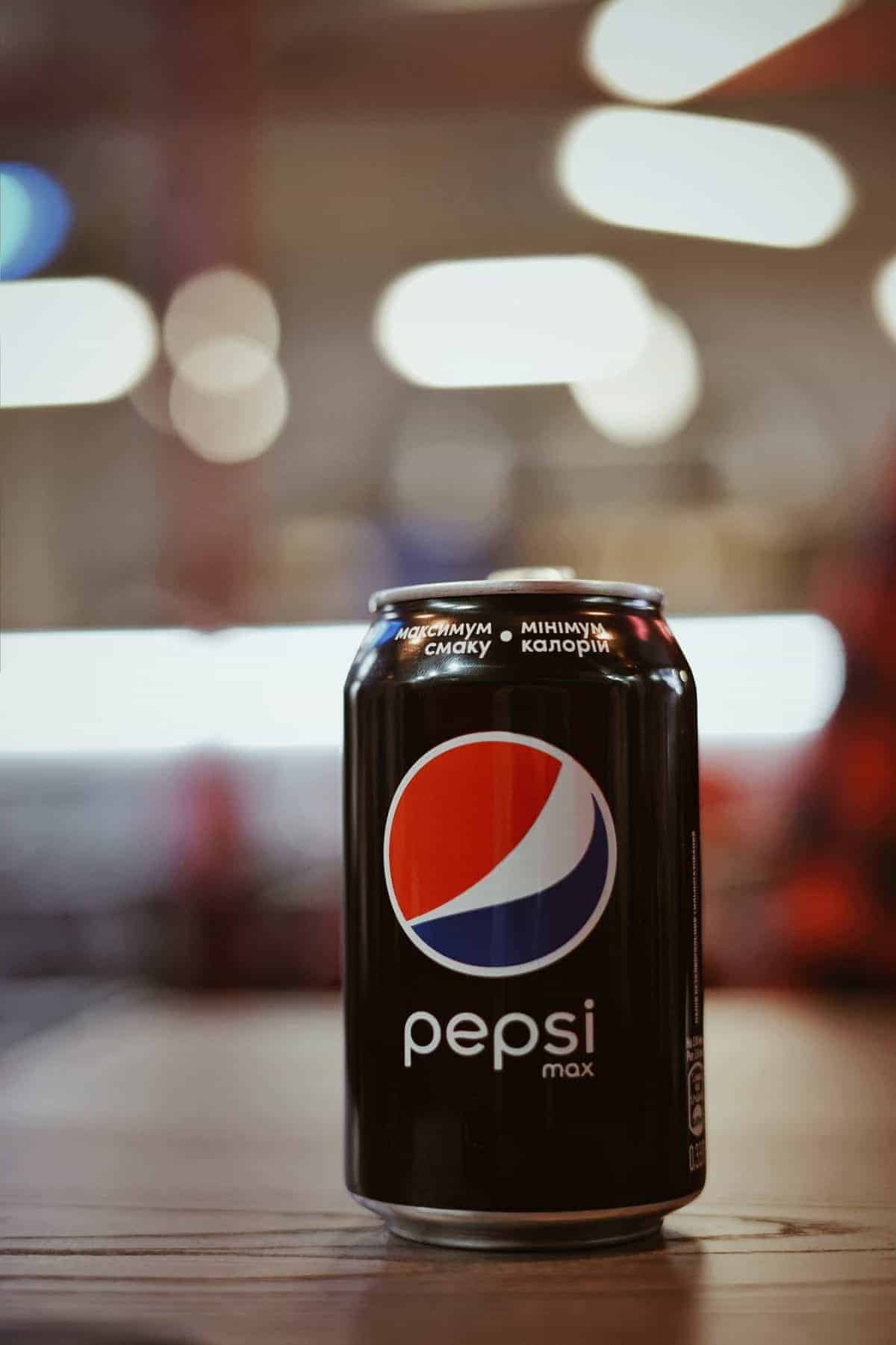
Make sure you are avoiding caffeine in all of its forms as well as aspartame, a common artificial sweetener. Both of these chemicals can impact blood sugar levels negatively. Look out for caffeine in coffee and diet sodas. Watch out for aspartame in diet sodas and sugar-free gelatin. These can cause cravings for sugar and take your body out of ketosis after just one serving.
Too Much Dairy

Watch your daily intake of cheese. Although cheese is on the acceptable foods list, it does have a small number of carbohydrates. Lactose is a sugar. Your best bet is to limit your cheese intake to 4 oz per day. You can have more on special occasions, but it should not be used as your mainstay for protein. Meat and eggs are much better choices and don't contain carbohydrates.
Eat Your Vegetables!
Remember to emphasize vegetables throughout your keto journey. All carbohydrates should be primarily derived from leafy, green vegetables and other non-starchy vegetables. Vegetables fill you up without spiking your blood sugar. They provide essential nutrients, specifically minerals and electrolytes, that help your weight loss efforts and overall health. Once you've become fat-adapted, you should shoot for 3-4 cups of salad and 1 cup of cooked vegetables each day. Make sure the vegetables you are using are non-starchy (corn is not a vegetable!) and low-carb. Eliminating vegetables from your diet can slow the detox of hormones like estrogen and stall weight loss.
Dr. Ken Berry, M.D. has put out a great YouTube video outlining 7 Ways to Know if You're Fat-Adapted without testing your blood ketones.
Salt Your Food!
One of the biggest complaints when starting a ketogenic diet is feeling sluggish, tired, headaches, and nausea. This is usually due to an electrolyte deficiency. For every 1 gram of carbohydrate, we store 3 grams of water. So, initially, as your body expels inflammation and stored water, electrolytes are flushed out. You need to replenish sodium, magnesium, and potassium or you feel like crap.
The best sources of electrolytes are seafood, organ meats, and veggies. But you can also use an electrolyte supplement. Some find that they need to supplement on top of eating mineral-rich food.
Shop Electrolyte Supplements on Amazon!


You're Not Eating Enough
It is also very important that you eat when you're hungry and to eat enough when you first start keto. Try not to go more than five waking hours without eating a combined snack of protein and fats. Until you're fat-adapted, skipping meals may cause a blood sugar drop that could cause carbohydrate cravings for things like bread and sugar. So if you're hungry, eat! Eat until you are satisfied, not stuffed.
Once you've burned through your stored glycogen, broken your addiction to carbohydrates, and your body has become efficient at burning fat for energy, you'll be able to go longer between meals. Save the intermittent fasting for when you've become fat-adapted and plan ahead to ensure you always have keto-compliant options available.
Drink Enough Water!
Finally, the last of the common ketogenic diet mistakes is not drinking enough water. Make sure you are drinking enough water each day. Water has a myriad of benefits for every human being, not just those following a ketogenic way of eating. Thirst can sometimes be masked as hunger, so staying well hydrated will keep you from craving foods you shouldn't be eating. Water also helps you avoid constipation, which is an occasional side effect of the keto diet. Drinking enough water will also help you flush out toxins and eliminate the byproducts of fat oxidation.
Shop Stainless Steel Water Bottles on Amazon!


These common ketogenic diet mistakes can make people frustrated with the keto diet when there is no need to be. If you are just starting out on the diet, make sure to prepare yourself for these mistakes. If you've been on the diet for some time, evaluate your eating habits and make sure you are following the program correctly.


Misty says
Great advice Heather! The diet soda I believe is a biggie! Talk to many diabetics and they'll tell you that Aspartame raises their blood glucose levels.
Tiffany says
The thing is, some people use Atkins as an excuse to eat low carb junk, and others of us eat real low carb food! Is it all still Atkins if it falls within the books guidelines? Sure, but there are certainly varying levels of health benefits. I can honestly say the second time around, no diet drinks and low carb bars for me!
Natalie says
Ok so what other then water can I have!! I love my diet cokes or crystal light. Both have aspertame. What about drinks made with splenda?
LinearChaos says
Hi Natalie, Water is the optimal choice, but Dr. Atkins says Splenda is preferred over aspartame. Tea is another great choice. I usually drink only tea and water. Not everyone experiences a stall due to caffeine or artificial sweeteners, you'll have to try different things and assess what is right for your body.