

Cancer changes your relationship with food in more ways than one. Most conversations focus on what to eat - which foods support metabolic health, reduce allostatic load, and create an internal terrain less hospitable to disease. But one layer gets less attention, especially in integrative and terrain-based communities: food safety.
QUICK REFERENCE
- Why Food Safety Matters More When Immunity Is Compromised
- The Terrain Connection: Food Safety as Allostatic Load Reduction
- High-Risk Foods You May Not Be Thinking About
- A Note on Water Safety
- Grocery Shopping: What to Pay Attention To
- Common Kitchen Mistakes and Easy Fixes
- Safe Food Handling in the Kitchen
- Leftovers: What's Safe, What's Not
- Foods to Modify or Avoid (and How to Keep Eating Well)
- Fermented Foods and Low White Counts
- Immune Function, Protein, and Nutrients That Matter
- A Note on Alcohol
- Dining Out: How to Enjoy It Without Taking Unnecessary Risks
- For Caregivers: What You Need to Know
- A Note for Pediatric Families
- The Quick Reference: Ten Habits That Cover Most of the Risk
- The Two Things Worth Remembering
- FAQs
- Unanswered Questions?
- Discussion
When immunity is compromised - whether from chemotherapy, radiation, immunosuppressive medications, or the cancer itself - the terrain is genuinely more vulnerable to microbial threats. A pathogen your immune system would ordinarily handle without you ever noticing can become a serious, destabilizing infection. That matters clinically. It also matters because infection drives allostatic load through the roof, triggering the cell danger response and pulling the body's resources away from the adaptive work you are trying to support.¹
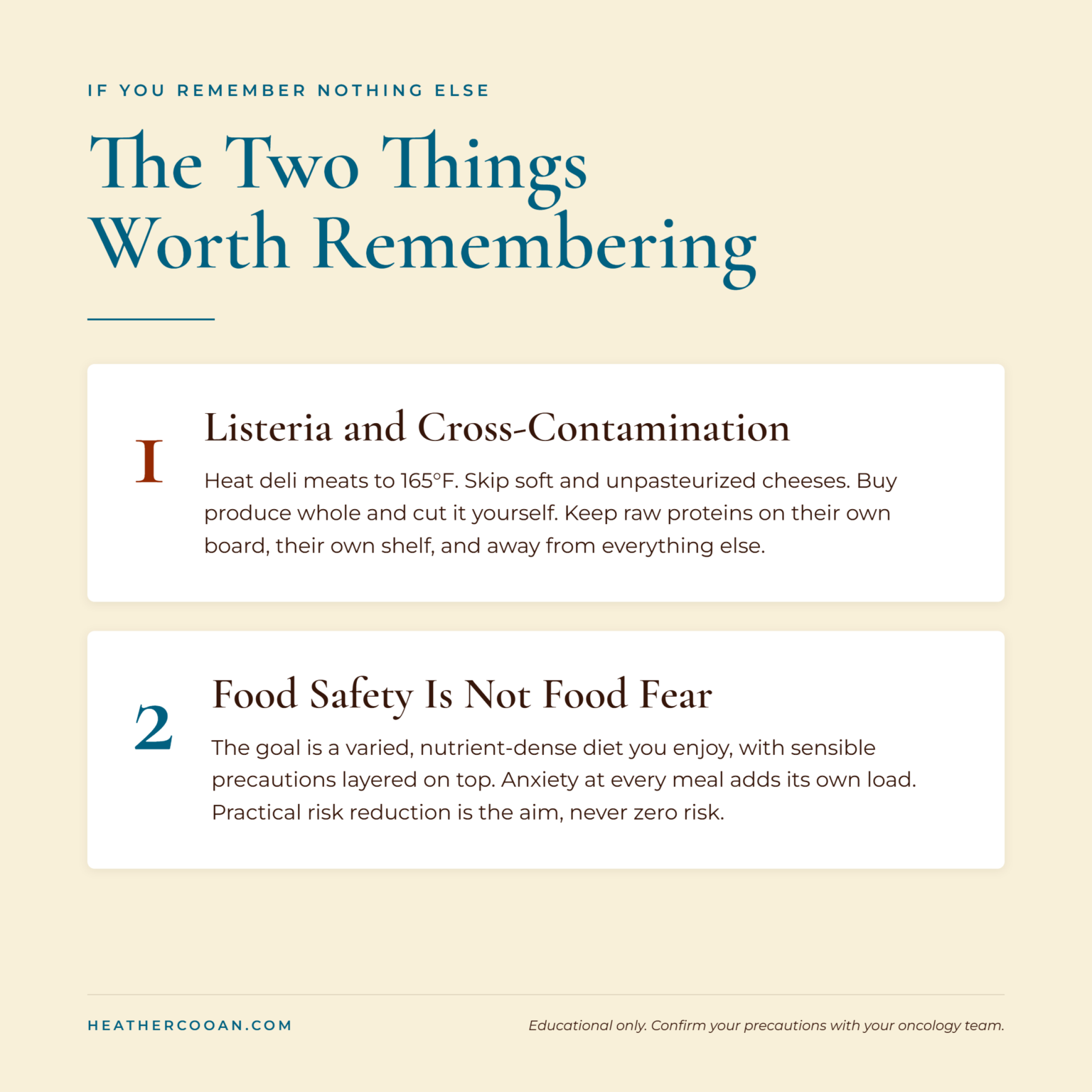
The two things worth remembering - a preview. Listeria and cross-contamination are the highest-priority concerns at home. And food safety and food fear are not the same thing. This whole guide comes down to those two points. Everything else is the practical detail behind them.
This guide covers what food safety actually means during cancer treatment, where the real risks live, and how to keep eating well without turning your kitchen into a sterile anxiety chamber. Because fear of food is itself a terrain disruptor - and that deserves to be said plainly.
Why Food Safety Matters More When Immunity Is Compromised
Foodborne illness is caused by bacteria, viruses, or parasites that contaminate food and multiply - often invisibly, without any change in smell, appearance, or taste. For a person with an intact, well-regulated immune system, an encounter with a pathogen like Listeria, Salmonella, or E. coli might mean a rough 48 hours. For someone navigating active cancer treatment, the same exposure can escalate quickly into a systemic infection requiring hospitalization.
The immune suppression associated with cancer and its treatment - particularly chemotherapy and stem cell transplants - reduces the body's first-line defenses. Neutropenia (low neutrophil count) is common during certain treatment phases, and infection risk is highest during these windows.
A note on neutrophil counts: Clinically, your oncology team will track your absolute neutrophil count (ANC). Food safety guidance typically intensifies when ANC drops below 1,000/μL and becomes most restrictive below 500/μL. Knowing where you are in that range helps you calibrate rather than apply maximum restriction across the entire treatment period. Your oncology team will guide you specifically - and their guidance should always take precedence over general recommendations.
Standard food safety education often misses infection's downstream effects on the broader terrain. When the body fights a foodborne pathogen, it activates the cell danger response-a fundamental protective mechanism that redirects metabolic resources toward threat containment.¹ That is appropriate and necessary in acute situations. But chronic or repeated activation of the cell danger response comes at a cost to other systems, including the adaptive capacity you are working to support through nutrition and lifestyle.² Preventing foodborne illness is not just about avoiding a bad week. It is part of managing allostatic load across the whole cancering journey.³
There is also a metabolic dimension worth holding: glucose availability affects not just cancer cell metabolism but also pathogen metabolism. Many opportunistic bacteria and fungi depend on glucose fermentation for their own growth. This is another reason blood sugar regulation is not separate from infection risk-the terrain that is less hospitable to cancer is often less hospitable to opportunistic pathogens, too.
Finally, chemotherapy and radiation compromise the integrity of the intestinal epithelium itself, increasing gut permeability. This means commensal organisms already present in the gut can translocate across a compromised barrier into systemic circulation-a mechanism behind bacterial infections in neutropenic patients that is not always attributable to new food exposure.⁴ Supporting gut barrier integrity through adequate protein, zinc, and removal of gut irritants is a food safety-adjacent consideration, not just a microbiome optimization one.
The Terrain Connection: Food Safety as Allostatic Load Reduction
Allostatic load - the cumulative burden of chronic stress on bodily systems - is influenced by far more than emotional stress.³ Infection, toxic exposures, nutrient depletion, and disrupted sleep all contribute. As does the physiological stress of fighting off a pathogen; your immune system is ill-equipped to handle it efficiently right now.
The goal of terrain-based nutrition work is to reduce allostatic load across all its contributors - not to obsess over any single vector. That framing matters here because food safety conversations can easily tip into fear-based territory that paradoxically increases allostatic load. Hypervigilance around food, anxiety at mealtimes, and avoidance of whole food categories that are actually safe and nutritionally valuable are real costs. For people with histories of disordered eating, food restriction, or significant medical trauma - and this population carries all three in abundance - a detailed list of high-risk foods requires context before it can be received without triggering a stress response of its own.
The aim is informed, practical reduction of genuine microbial risk - not a zero-risk fantasy that makes eating miserable. Most food safety measures are simple, habitual, and low-effort once you learn them. That is what this guide is for.
High-Risk Foods You May Not Be Thinking About
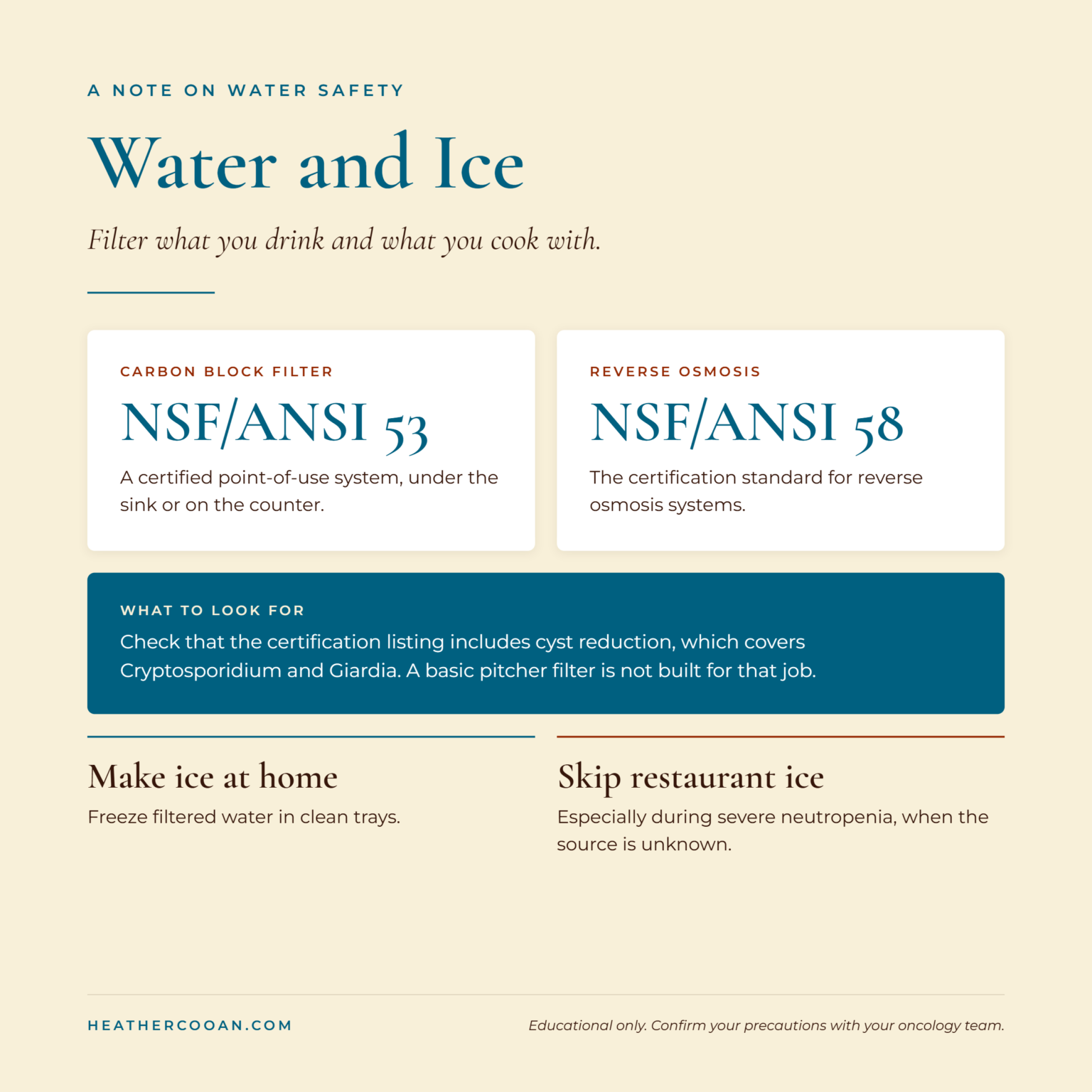
Some of the highest-risk exposures are not the obvious ones. Raw chicken and undercooked eggs are on most people's radar. These are not.
Deli meats and cold cuts. Listeria monocytogenes thrives in refrigerated, ready-to-eat environments. Deli meats sliced at a counter - and even pre-packaged deli meats that have been opened and stored - carry a meaningful Listeria risk. This is one of the more significant and underappreciated food safety concerns for immunocompromised people.
Pre-cut and pre-washed produce. Bagged salads, pre-cut fruit, and pre-shredded vegetables have a larger surface area exposed to potential contamination and move through more handling steps. The "triple-washed" label does not eliminate risk.
Soft cheeses and unpasteurized dairy. Brie, Camembert, feta, queso fresco, and similar soft cheeses - especially those made from unpasteurized milk - carry an elevated risk of Listeria. Hard, aged cheeses are considerably safer.
Sprouts. Raw sprouts (alfalfa, bean, clover, radish) grow in warm, humid conditions ideal for bacterial growth. Avoid this food entirely during periods of immunocompromisation.
Raw or undercooked eggs. This includes foods that may not read as "raw egg" to most people: Caesar salad dressing made in-house, hollandaise sauce, fresh aioli or mayonnaise, some smoothies and protein shakes, and certain desserts like mousse or tiramisu.
Unpasteurized juices. Fresh-squeezed juices from juice bars, as well as many cold-pressed options, are not pasteurized. The microbial load in these products is unpredictable.
Sushi and raw shellfish. Raw fish, shellfish, oysters, clams, and mussels all pose a significant risk during periods of immunocompromisation. This includes vegetarian sushi prepared in environments where cross-contamination with raw fish is likely.
Stored nuts and grains.
Grains, corn, peanuts, and tree nuts stored in humid conditions-including bulk-bin items-can harbor aflatoxin and other mycotoxins. These are not bacterial contamination risks, but they are documented immunosuppressants relevant to this population. Prepackaged nuts and grains, when stored properly, are a safer choice during active treatment.
Fountain beverages and shared condiments. Dispensers and shared containers used by multiple people are a surprisingly overlooked exposure.
A Note on Water Safety
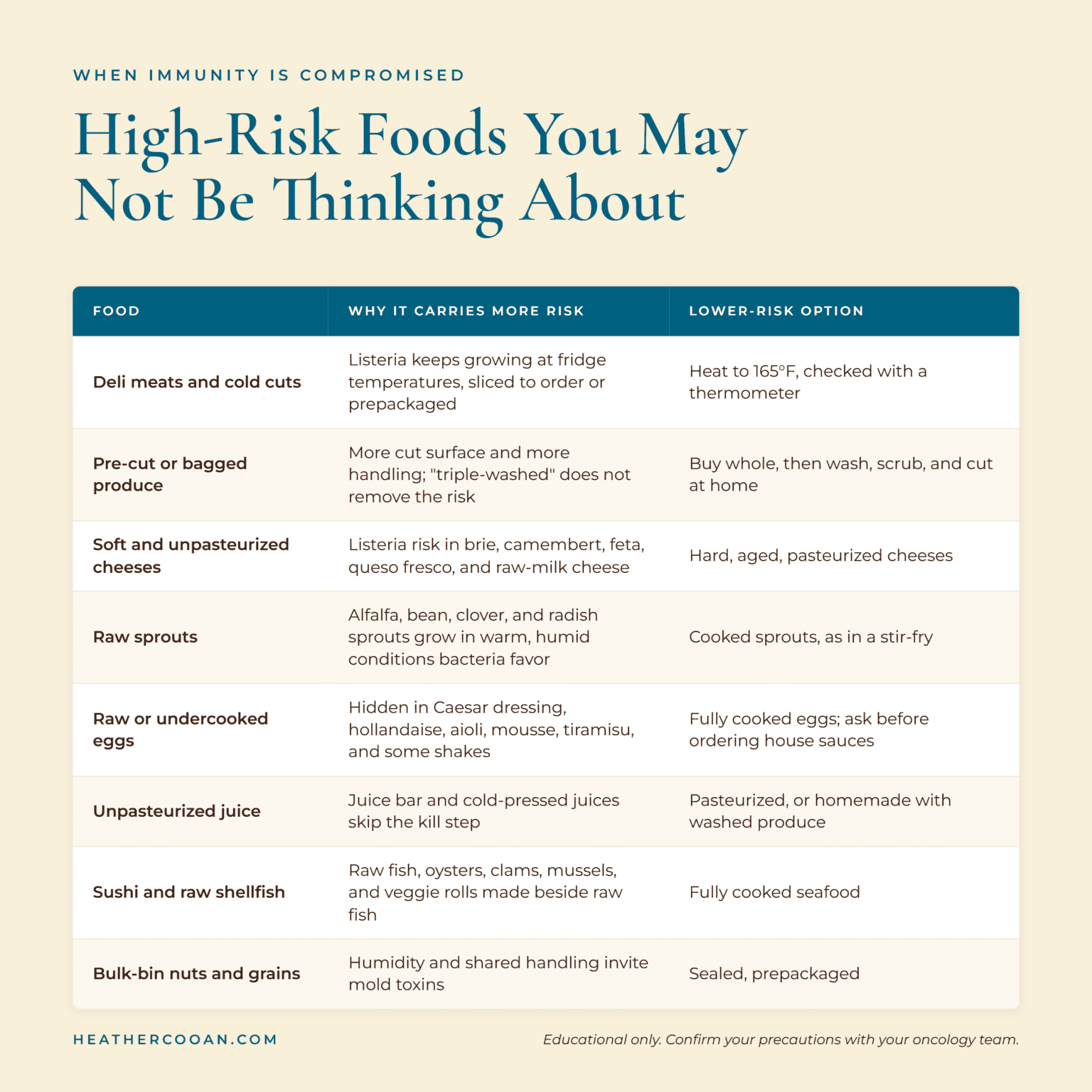
Filtered water for drinking and cooking is not optional during immunocompromised periods and belongs in this guide alongside food handling. Unfiltered tap water can carry Cryptosporidium, Giardia, and other organisms that a healthy immune system routinely manages but that pose a meaningful risk during neutropenic windows. The CDC and major cancer centers address this specifically.
A pitcher-style filter (like a standard Brita) is not sufficient. A certified point-of-use carbon block filter or a reverse osmosis system reduces microbial and chemical load more reliably. Filter certification from NSF International (specifically NSF/ANSI Standard 53 or 58 for reverse osmosis) is the benchmark to look for.
Ice is an easy-to-overlook vector. Make ice at home from filtered water. During severe neutropenic periods, avoid ice at restaurants. You can't control the water source or the cleanliness of the ice machine.
Filtered water is also a terrain optimization recommendation, independent of infection risk: chlorine and chloramine in municipal water supplies interact with organic compounds, contributing to microbiome disruption over time. Filtering is both a food safety measure and a long-term input to the terrain.
Grocery Shopping: What to Pay Attention To
Check dates, but understand what they mean. "Best by" and "use by" dates are not always equivalent. "Use by" is a safety indicator - do not purchase or consume after that date. "Best by" is a quality indicator, but in the context of immunocompromise, it is reasonable to treat it as a safety date as well.
Inspect packaging. Do not buy canned or jarred goods with dents (especially on the seams), swelling, rusting, or broken seals. Bulging cans in particular can indicate Clostridium botulinum activity.
Avoid bulk bins. Grains, nuts, dried fruits, and other items in self-serve bulk containers have been handled by many people and may be stored in conditions that favor mycotoxin development. Pre-packaged alternatives are safer during active treatment.
Prioritize organic for animal proteins. Conventionally raised animal proteins can carry antibiotic residues and pesticide loads that add to the toxic burden and disrupt the microbiome. For a terrain-based approach, organic sourcing of animal proteins is not a preference - it is a terrain input. If budget constraints allow, prioritize full organic adoption, animal proteins, and produce from the Environmental Working Group's Dirty Dozen list.
Pick up cold and frozen items last. This limits the time perishables spend outside refrigeration. If you have additional stops after the grocery store, bring an insulated bag or cooler.
Separate raw proteins in the cart and in bags. Juices from raw meat, poultry, and seafood can contaminate other items. Use separate bags and keep them away from produce.
For grocery delivery: Check that refrigerated and frozen items are at the appropriate temperatures upon delivery. Refrigerated items should be cold to the touch; frozen items should still be frozen. Put them away immediately.
Common Kitchen Mistakes and Easy Fixes
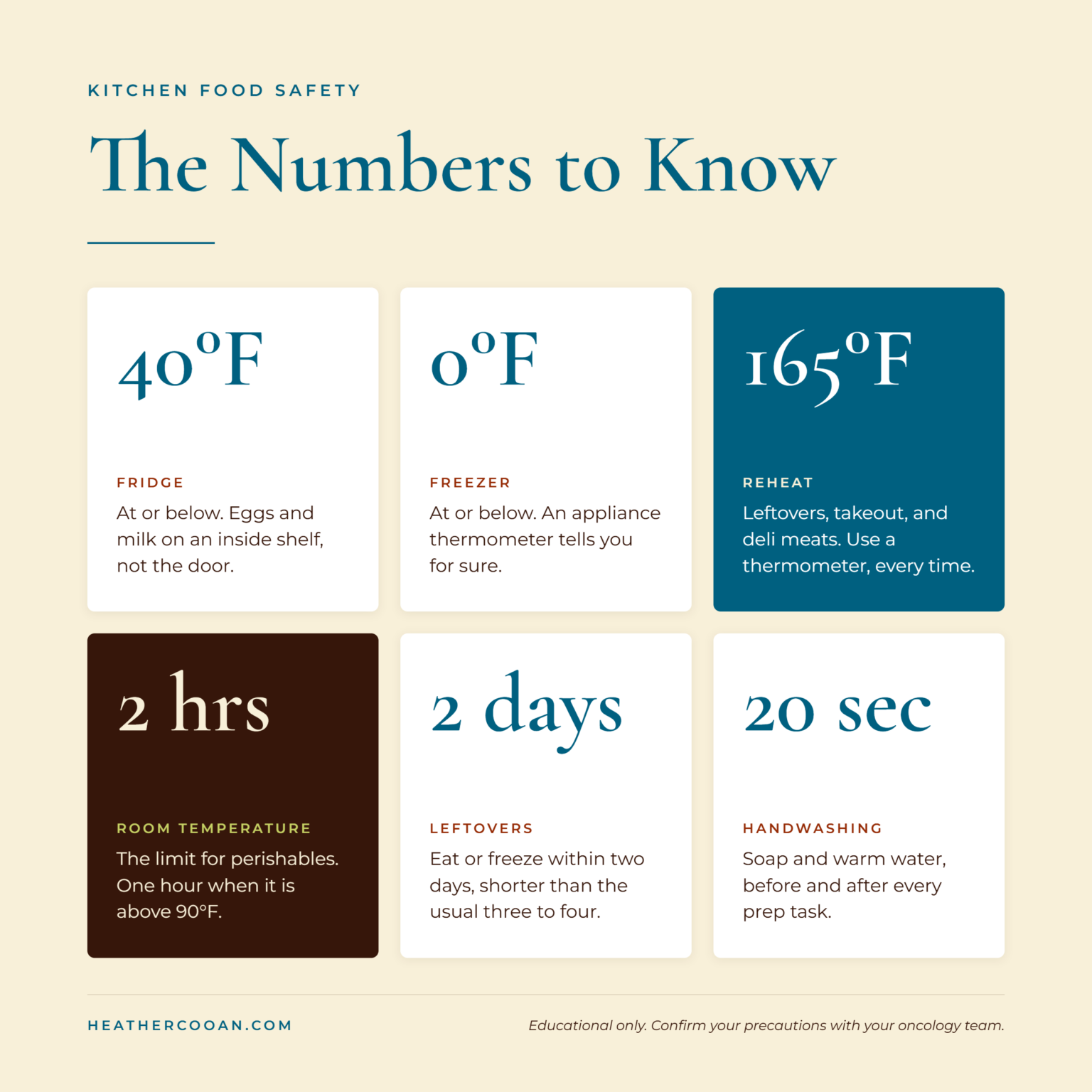
The two-hour rule is not widely known. Perishable food left at room temperature for more than two hours enters the danger zone - the temperature range where bacteria multiply rapidly. If the ambient temperature is above 90°F, that window shrinks to one hour. This applies to food sitting out during meal prep, dinner parties, and holiday spreads.
One cutting board for everything. Cross-contamination from raw proteins to produce is a major source of foodborne illness at home. The fix is simple: a dedicated cutting board for raw meat, poultry, and seafood, and a separate one for everything else. Color-coding them helps.
Thawing on the counter. Room-temperature thawing lets the outer layers of food enter the danger zone while the center stays frozen. Thaw in the refrigerator, in cold water with the packaging sealed (changing the water every 30 minutes), or in the microwave - in which case, cook immediately after.
Reusing marinades. A marinade used on raw protein has been contaminated. Do not use it as a sauce unless you bring it to a full boil first.
Not washing produce with a peel. Bacteria on the surface of a melon or avocado transfer to the flesh when you cut through it. Wash and scrub all produce under running water before cutting, even if you are not eating the peel.
Damp sponges and cloth towels. These are among the most bacteria-laden items in most kitchens. Paper towels are safer to use for wiping surfaces during periods of immunocompromisation. If you use cloth towels, wash them frequently in hot water. Replace sponges every two weeks; wring them out completely after every use.
Safe Food Handling in the Kitchen
The framework that guides institutional food safety guidance is simple: Clean, Separate, Cook, Chill. It translates directly to home kitchens.
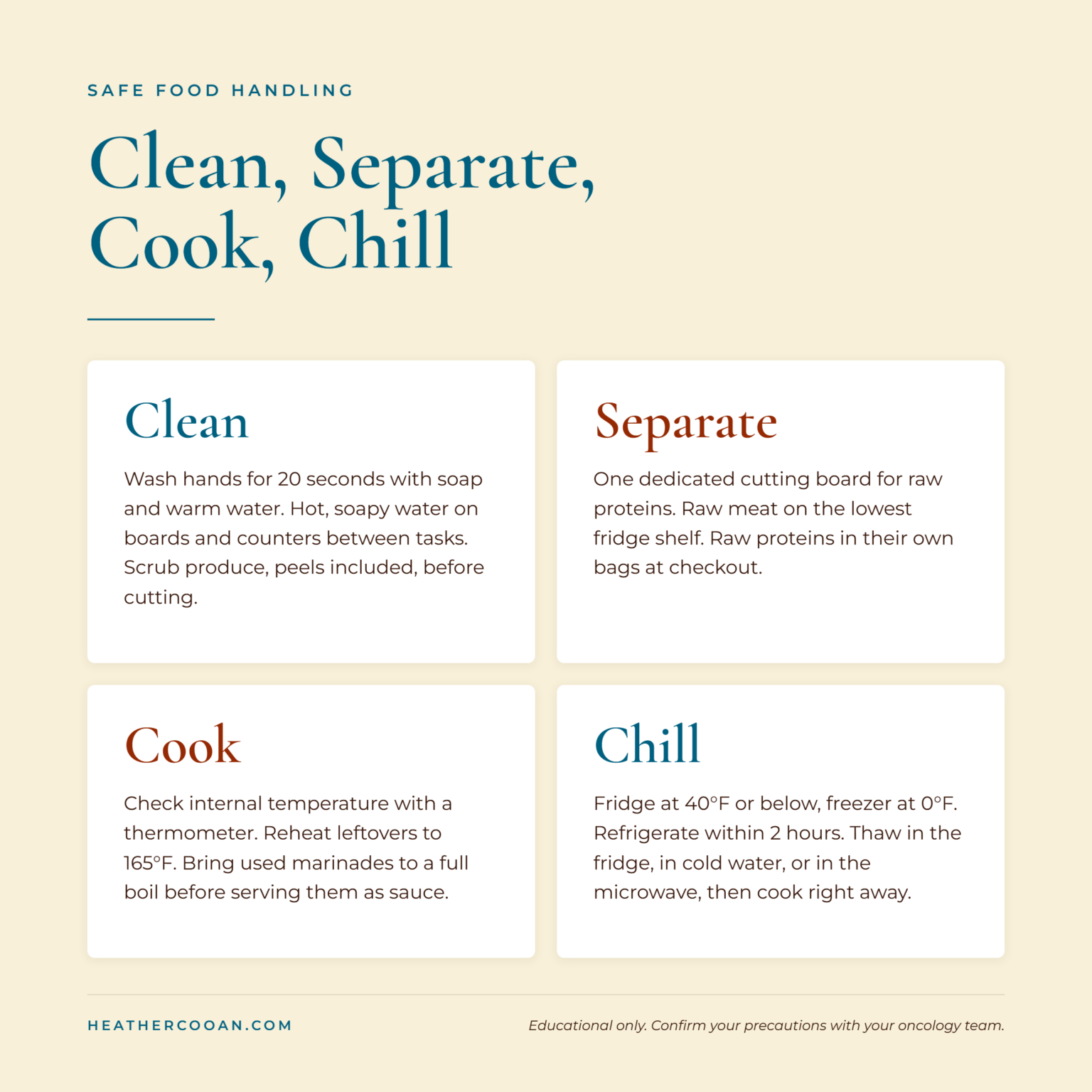
Clean. Wash your hands with soap and warm water for a full 20 seconds before and after handling food; after touching raw proteins, garbage, pets, and after using the bathroom. Wash cutting boards, utensils, and surfaces with hot soapy water between tasks. Use an antibacterial spray on surfaces.
Separate. Keep raw proteins separate from everything else-in the cart, in the refrigerator (raw meat goes on the lowest shelf to prevent drip contamination), and on the cutting board.
Cook. Internal temperature is the only reliable indicator of safety - not color, not texture, not time alone. A food thermometer removes all the guesswork.
Chill. Refrigerator at or below 40°F. Freezer at or below 0°F. Refrigerate or freeze perishables within two hours of cooking or purchase (one hour if it is over 90°F). Store eggs and milk on a shelf inside the refrigerator, not in the door-it is cooler and more stable there.
Leftovers: What's Safe, What's Not
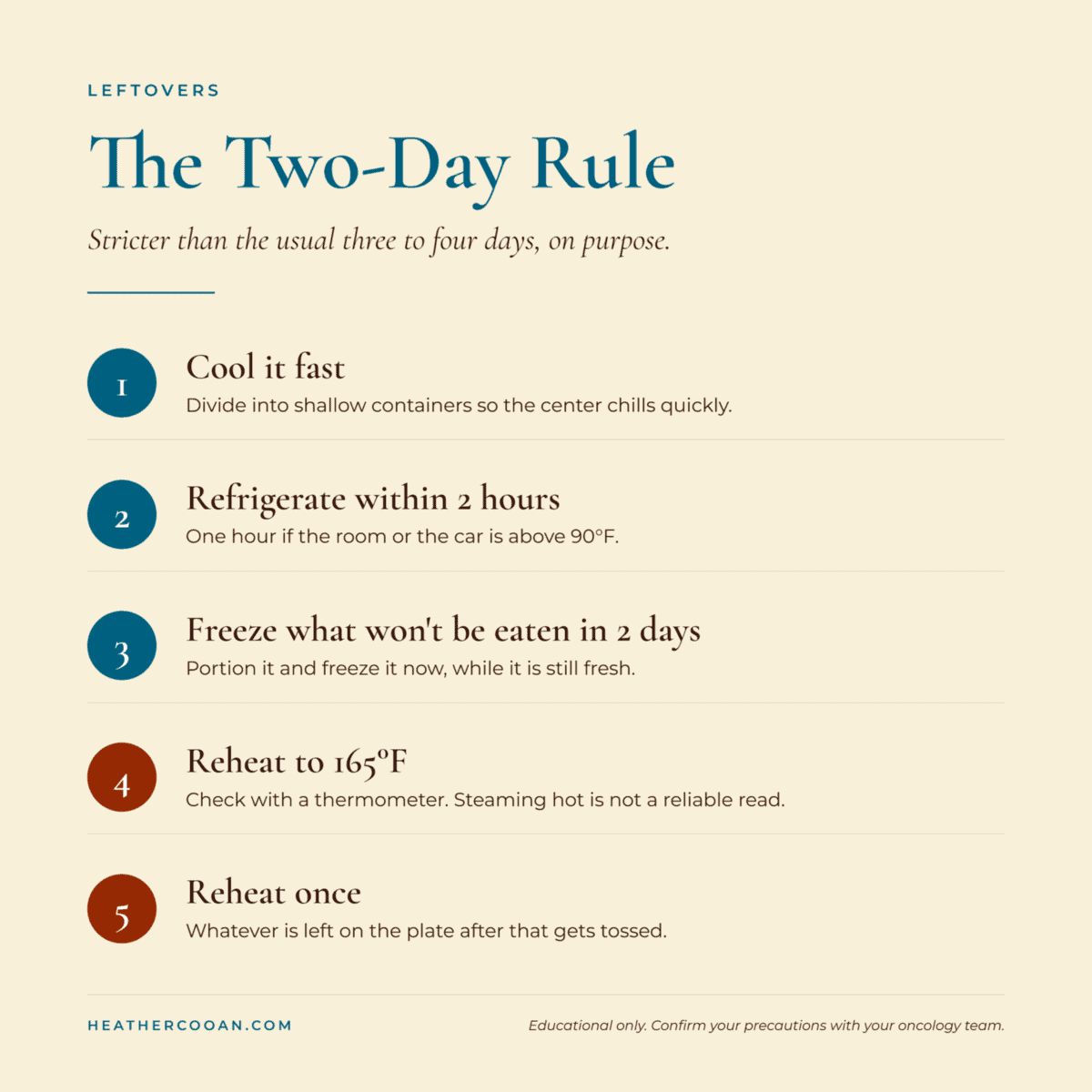
Eat leftovers within 2 days. General guidance is often 3 to 4 days for refrigerated leftovers, but the recommendation for people in cancer treatment is 2 days. When in doubt, throw it out.
Reheat to 165°F-every time. Use a thermometer. Steaming hot is a rough proxy but not reliable.
Do not reheat more than once. If you reheat a portion and do not finish it, discard the remaining portion. Do not return it to the refrigerator for another round.
Cool leftovers quickly. Do not let a large pot of soup or a roasting pan of vegetables sit on the stove to cool for an hour before refrigerating. Divide large quantities into shallow containers so they cool faster, and refrigerate them within two hours.
Freeze what you will not use in two days. Freezing is a legitimate safety strategy, not just a convenience one. If you batch-cook - which is strongly encouraged during treatment when energy is limited - portion and freeze immediately rather than refrigerating for a week. This is one of the most practical, underused tools for people in active treatment and their caregivers.
Foods to Modify or Avoid (and How to Keep Eating Well)
The goal is not an ever-expanding list of forbidden foods. It is targeted awareness about specific high-risk categories, with practical alternatives that keep your plate nutrient-dense and satisfying.
One important note before this list: if you follow a raw-food protocol as part of your terrain-optimization approach, active immunosuppressive treatment is a context-dependent exception. Raw food approaches are genuinely valuable in many situations. During deep neutropenia, the terrain principle - reducing pathogen load - applies to food preparation as much as to everything else. These are not in conflict; they are the same principle applied to different circumstances.
Raw or undercooked animal proteins - including rare steaks, runny eggs, sushi, raw oysters, ceviche, smoked salmon/lox, and refrigerated pâté. Cook all animal proteins to safe internal temperatures. Well-done does not have to mean flavorless; quality sourcing and technique matter far more.
Unpasteurized dairy - including raw milk, raw milk cheeses, and certain soft cheeses (brie, camembert, feta, queso fresco). Swap for hard, pasteurized cheeses and pasteurized dairy products without sacrificing nutrition or enjoyment.
Raw sprouts of all kinds. Cooked versions (such as stir-fried bean sprouts) are safer.
Unwashed fresh produce. This is not a food to avoid - it is a mandatory preparation step. Wash and scrub everything.
Pre-cut, pre-washed produce from the deli section or salad bar. Cut your own. The additional handling step is worth it.
Unpasteurized juices and fresh-squeezed juice from juice bars. If juice is part of your protocol, make it at home with filtered water or use pasteurized commercial options.
Deli meats. If you want to include deli meats, heat them to steaming (165°F) before eating - this kills Listeria. Pre-packaged, over-the-counter sliced meats are safer, but heating is the more important step.
Buffets, salad bars, and shared condiments. Temperature control in these environments varies widely. This is one of the higher-risk dining contexts.
Dietary supplements, including probiotics. Supplement manufacturing and storage are not regulated in the same way as food or pharmaceuticals. Contamination is a real and documented concern. Probiotics, in particular, introduce live organisms and carry an infection risk during periods of immunocompromisation. Discuss any supplement use with your oncology team before continuing or starting. When choosing supplements, look for third-party verification from NSF International, USP, or NSF Certified for Sport, which means the risk of contamination is meaningfully reduced (though it does not eliminate it).
Fermented Foods and Low White Counts
Fermented foods occupy a genuinely complicated position in terrain-based oncology nutrition-and most standard food safety guides do not address it at all.
The case for fermented foods in terrain optimization is real. Gut microbiome diversity, immune modulation, short-chain fatty acid production, and reduction of inflammatory load are all influenced by the gut microbiome. Fermented foods are a legitimate part of supporting that ecosystem. This is not a fringe position - it is well-supported in the research literature.
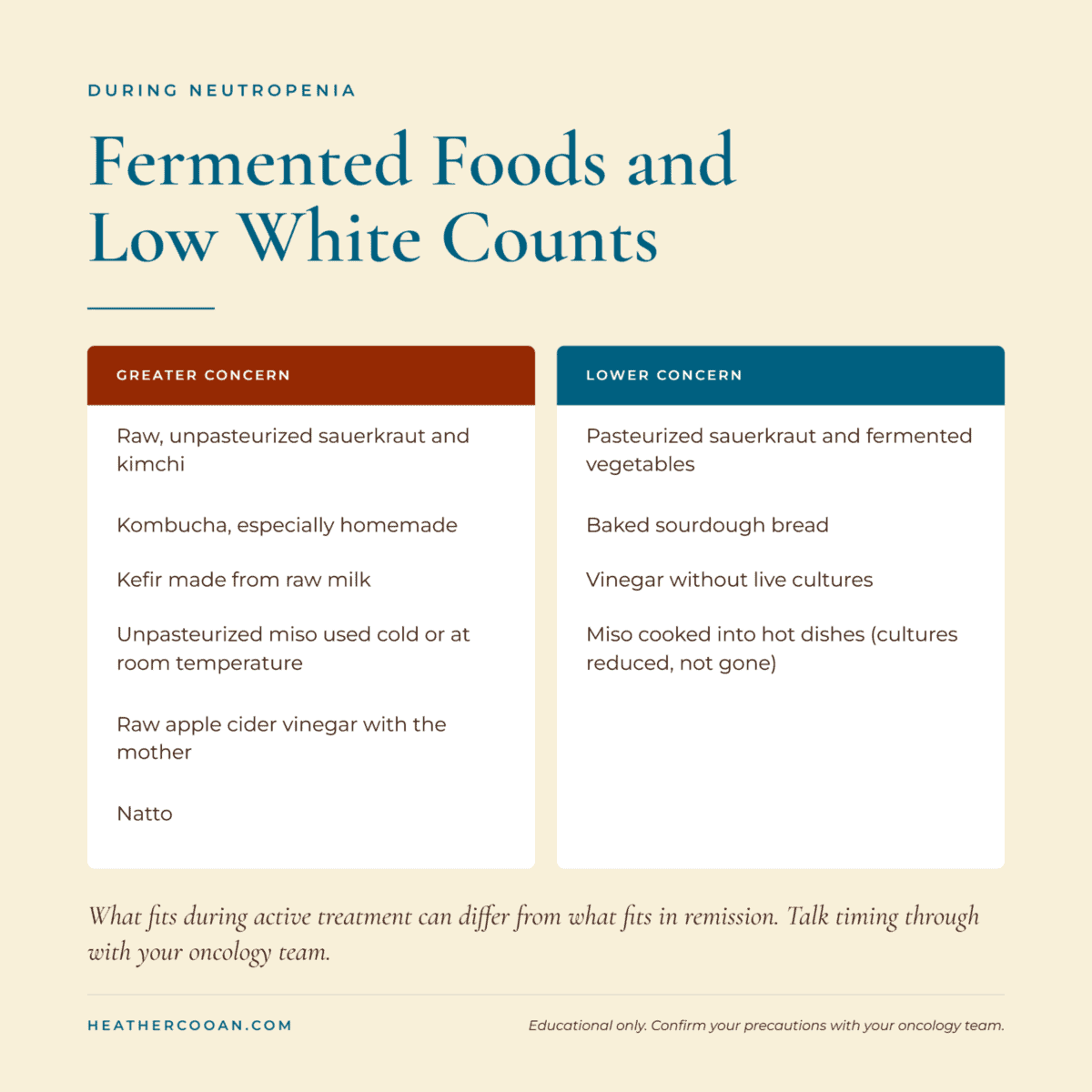
The problem is timing and immune status. During periods of significant neutropenia - meaningfully low white counts - the organisms in fermented foods are not simply inert. They are live. Introducing live microbes when the immune system lacks its normal capacity to contain them is a real infection risk, not a theoretical one. This is the same reasoning behind the flag on probiotic supplements. The organisms in fermented foods are generally commensal rather than pathogenic, but that distinction matters less when innate immune defenses are substantially reduced.
The gut barrier also matters: chemotherapy and radiation compromise intestinal epithelial integrity, increasing risk not only from newly introduced organisms but also from translocation of organisms already present in the gut. Supporting tight junction integrity - through adequate protein and zinc intake and by removing irritants - is relevant here, independent of fermented food choices.
This is one place where terrain-based nutrition requires more nuance than a simple food list, and where the conversation with the oncology team is not optional.
The terrain-relevant framing worth holding onto:
What is appropriate in a maintenance or remission context - building microbiome diversity, supporting adaptive immune function - is not automatically appropriate during active treatment with suppressed neutrophil counts. The goal of fermented foods in terrain work is to support the immune system; during deep neutropenia, the priority is protecting a temporarily compromised one. These are not in conflict - they are the same principle applied to different circumstances.
Timing matters. The phase of treatment matters. White count trends matter. This is a conversation to have with your oncology team, specifically, not a blanket include-or-avoid determination that applies across the entire cancer journey.
Immune Function, Protein, and Nutrients That Matter
Food safety is not only about avoiding pathogens. Nutritional status determines how effectively your immune system responds when a threat gets through. Two nutrients deserve particular attention during periods of immunocompromise.
Adequate protein is foundational to neutrophil production, lymphocyte function, and gut barrier integrity. Clients in active treatment who are nauseated, fatigued, or experiencing appetite changes are at meaningful risk of protein insufficiency - and that insufficiency directly compromises the immune competence you are trying to protect. Low albumin and low serum protein are clinical signals your care team tracks for good reason. Eating enough protein is not separate from your food safety effort; it is part of it.
Zinc is a critical cofactor for lymphocyte proliferation, natural killer cell activity, and phagocytic function.⁵ Low zinc status reduces the immune system's capacity to mount a response to any threat, including foodborne pathogens. Animal proteins (particularly red meat, poultry, and shellfish), pumpkin seeds, and legumes are meaningful dietary sources. For people who are already restricting animal proteins or struggling with intake during treatment, zinc status is worth monitoring.
The food choices that minimize pathogen exposure are the same food choices that support immune competence: well-sourced animal proteins cooked to safe temperatures, organic produce washed thoroughly, filtered water, and meals that deliver adequate protein at each eating occasion. These are not competing priorities.
A Note on Alcohol
Alcohol belongs in this guide because its effects on immune function, gut barrier integrity, liver function, and sleep quality are directly relevant to the terrain concerns this guide addresses.
Alcohol impairs neutrophil function and disrupts the gut epithelial barrier - which, as discussed, is already under significant stress during chemotherapy and radiation. It drives inflammation through multiple pathways, disrupts circadian rhythm and sleep quality, and burdens the liver during a period when hepatic function is already under treatment-related pressure. The terrain cost of regular alcohol use during active treatment is not small.
Alcohol also affects judgment around food safety practices in ways that are easy to underestimate: awareness of food temperatures, attention to how long something has been sitting out, and recall of what has been stored and for how long. This is not a moral observation - it is a practical one.
For clients who are using alcohol as a coping tool during treatment - which is common and understandable, not a character failure - this is worth raising gently with the care team. The nervous system support and stress reduction that alcohol appears to provide in the short term comes at a tremendous cost that compounds over time. Other routes can support the same nervous system goal without that cost.
Dining Out: How to Enjoy It Without Taking Unnecessary Risks
Dining out is not off-limits during cancer treatment for most people - but it warrants more intentionality than it might otherwise.
Choose restaurants thoughtfully. Most local health departments publish restaurant inspection scores online. Checking before you go is a simple, practical step.
Order food that is hot and freshly cooked. Hot food is generally safer than room-temperature or cold prepared food. Avoid anything that has sat under a heat lamp or in a warming tray for an unknown amount of time.
Avoid buffets and salad bars. Temperature maintenance, exposure duration, and the number of hands in proximity make these environments higher risk.
Skip the Caesar dressing, hollandaise, and housemade aioli. These are often made with raw eggs.
Send back undercooked proteins. This is not precious. Undercooked chicken or fish is a genuine risk for immunocompromised people; advocate for yourself.
Avoid ice unless you know the source. During severe neutropenic periods, restaurant ice is a water-safety variable outside your control.
Handle leftovers correctly. Refrigerate within two hours of eating. Reheat to 165°F before consuming. Eat within two days.
If you had a stem cell transplant, your oncology team may advise you to avoid restaurant dining entirely for a period - typically around three months post-transplant. Follow their guidance specifically.
Takeout and delivery carry additional risk because food temperatures during transit are unpredictable. If the food arrives lukewarm, reheat it to 165°F before eating.
For Caregivers: What You Need to Know
If you are preparing food for someone in cancer treatment, the most important thing to understand is this: your own immune system is not the reference point. What would not make you sick can make them very sick. The gap in risk tolerance is significant.
The practices in this guide apply to your kitchen and food preparation habits-not just to the person navigating treatment. Cross-contamination happens upstream. Sloppy thawing, a contaminated cutting board, unwashed hands-these are risks you manage for them.
A few specific things worth knowing:
Wash your hands before and after every food preparation task, not just when you remember. This is the single highest-impact habit.
Do not taste-test and stir with the same spoon. Do not handle raw proteins and then touch their plate, utensils, or food without washing your hands.
If you are sick - even mildly, even just a sore throat or a sniffly nose - do not prepare their food. Find someone else to do it or use pre-packaged options until you are well. This extends to stomach bugs in the household; heighten all precautions during these periods.
Take their food safety seriously at social gatherings. Well-meaning family members offering food from a potluck spread or a shared appetizer platter are acting from love. It is your job to have the conversation - gently and in advance - about what they can and cannot eat in those contexts.
A note for caregivers on carrying this - You are doing an enormous amount. Mistakes will happen - a forgotten leftover, a meal that sat out too long, a moment when you did not have the energy to check the label. That is human, not failure. The habits in this guide become easier with repetition. Start with handwashing and the two-day leftover rule, and build from there.
A Note for Pediatric Families
This guide is primarily written for adults navigating cancer treatment. For parents and caregivers supporting a child in treatment, the same principles apply - but a few pediatric-specific considerations are worth naming.
Children undergoing cancer treatment have different weight-based exposure thresholds for pathogens, and their developing immune systems may respond differently to the same organism. The guidance to reheat all foods to 165°F and follow the two-day leftover rule applies with equal or greater force-but implementing it with a child dealing with mucositis, severe nausea, or strong texture aversions from treatment requires adaptation. Feeding challenges during pediatric cancer treatment are real and significant. When helping a child eat anything at all is already hard, food safety cannot be an additional source of stress for the family. Prioritize the highest-impact habits - handwashing, temperature control, Listeria avoidance - and hold the rest loosely as circumstances allow.
For children who have undergone a stem cell transplant, institutional guidelines from pediatric oncology centers (including St. Jude Children's Research Hospital and CHOP) impose specific restrictions during the post-transplant period - including avoiding raw honey and stricter temperature requirements. Your child's oncology team will provide guidance specific to their transplant protocol; follow that guidance over general recommendations.
The supplement note applies with particular force for pediatric families: parents often add supplements based on research done outside the medical team's awareness. The risk of supplement contamination is real, and the pediatric oncology team needs to know about everything the child is taking.
Finally, parents navigating a child's cancer treatment are carrying a level of stress and vigilance that is hard to overstate. The cost of that load on the nervous system is real, and it affects the whole family. The caregiver note above applies to you as well - and then some. You cannot sustain the level of care your child needs if your own system is running on empty. Building in support for yourself is not a luxury; it is part of your child's care plan.
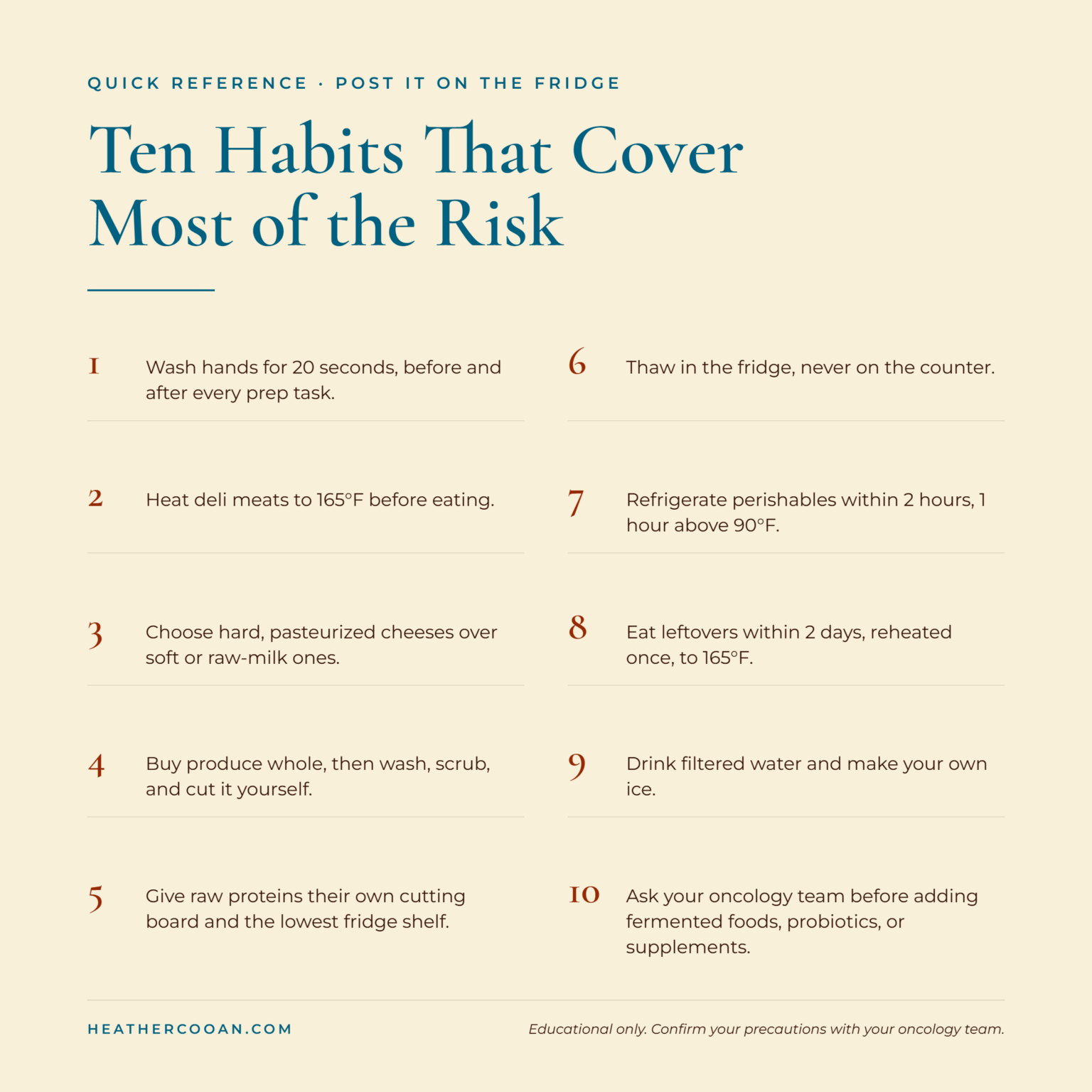
The Quick Reference: Ten Habits That Cover Most of the Risk
Post this on the refrigerator. Share it with caregivers. These ten habits address most real-world exposures to foodborne illness during periods of immunocompromisation.
The Two Things Worth Remembering
If nothing else stays with you from this guide, let it be these two:
- Listeria and cross-contamination are the highest-priority concerns at home. Listeria is why you heat deli meats, avoid soft unpasteurized cheeses, skip pre-cut produce, and keep raw proteins rigorously separated from everything else in the refrigerator and on the cutting board. Cross-contamination - hands, surfaces, utensils - is how most home kitchen foodborne illness actually happens. When you address these two risks with consistent habits, they account for a significant portion of real exposure.
- Food safety and food fear are not the same thing. Practical, habitual risk reduction allows you to eat well, enjoy your food, and stay nourished throughout treatment. The goal is a nutrient-dense, varied, enjoyable diet with sensible microbial precautions - not a restricted, anxious relationship with food that adds its own layer of allostatic load. You deserve to eat well. These habits make it possible to do so safely.
Living with cancer, autoimmunity, or complex chronic illness? Check out these success stories from clients who addressed the root-cause contributors that were disrupting their terrain, leaving them vulnerable to disease, and are now thriving!
FAQs
Not throughout all of it - the strictest precautions matter most when your white counts are at their lowest. The highest-risk window is during active chemotherapy, around your count nadir, or following a stem cell transplant. Your oncology team monitors your labs and can tell you when to be most careful. Many of the basic habits in this guide are worth keeping throughout treatment, but the strictest measures - heating deli meats, avoiding raw fermented foods, skipping salad bars entirely - are most critical during neutropenic periods.
For most people during most phases of treatment, yes - with some care about what and where you order. Choose restaurants with strong health inspection scores, order hot, freshly cooked food, and skip buffets, salad bars, and dishes made with raw eggs. If you have had a stem cell transplant, your oncology team may advise avoiding restaurants entirely for a period of time. When in doubt, ask your team what is appropriate for your specific treatment phase.
Yes - the concern is contamination from handling, not raw vegetables themselves. Buy whole produce rather than pre-cut or bagged, wash everything thoroughly under running water before cutting (including items you peel), and use a cutting board that has not been in contact with raw proteins. Pre-cut produce from deli cases, salad bars, and bagged salad mixes carries a higher risk and should be avoided during treatment.
It depends on your white blood cell count and treatment phase - this is not a blanket yes-or-no. Raw and unpasteurized fermented foods contain live organisms, and during neutropenic periods, those live organisms carry a real infection risk. Pasteurized fermented vegetables are lower risk because heat processing kills the live cultures. Sourdough bread is generally fine. Kombucha, raw kimchi, raw sauerkraut, and kefir from unpasteurized milk are greater concern during low-count windows. Discuss with your oncology team before continuing fermented foods during active treatment.
Two days - shorter than the standard three to four days recommended for the general population. Reheat leftovers to 165°F every time, and never reheat the same food more than once. If you reheat a portion and do not finish it, discard the rest rather than refrigerating it again. When in doubt, throw it out.
Not automatically - talk to your oncology team before continuing or starting anything. Supplement manufacturing isn't regulated the same way food and pharmaceuticals are, so contamination is a documented concern. Probiotics specifically introduce live organisms and carry an infection risk during periods of immunocompromisation. Some supplements also interact with chemotherapy drugs. The answer isn't always no, but it depends on your oncology team's input, your specific protocol, and your current immune status.
Handwashing-before and after every food-handling task, after touching raw proteins, after handling garbage or pets, and after using the bathroom. It is the single most impactful habit for both patients and caregivers preparing their food. Twenty seconds with soap and warm water, every time.
Unanswered Questions?
Ask AI for Answers Based On This Post
References:
- Naviaux RK. Metabolic features of the cell danger response. Mitochondrion. 2014;16:7-17. doi:10.1016/j.mito.2013.08.006
- Naviaux RK. Perspective: Cell danger response biology - the new science that connects environmental health with mitochondria and the rising tide of chronic illness. Mitochondrion. 2020;51:40-45. doi:10.1016/j.mito.2019.12.005
- McEwen BS. Stress, adaptation, and disease: allostasis and allostatic load. Ann N Y Acad Sci. 1998;840(1):33-44. doi:10.1111/j.1749-6632.1998.tb09546.x
- Blijlevens NM, Donnelly JP, De Pauw BE. Mucosal barrier injury: biology, pathology, clinical counterparts and consequences of intensive treatment for haematological malignancy: an overview. Bone Marrow Transplant. 2000;25(12):1269-1278. doi:10.1038/sj.bmt.1702447
- Shankar AH, Prasad AS. Zinc and immune function: the biological basis of altered resistance to infection. Am J Clin Nutr. 1998;68(2 Suppl):447S-463S. doi:10.1093/ajcn/68.2.447S
- McEwen BS, Stellar E. Stress and the individual: mechanisms leading to disease. Arch Intern Med. 1993;153(18):2093-2101.
- Juster RP, McEwen BS, Lupien SJ. Allostatic load biomarkers of chronic stress and impact on health and cognition. Neurosci Biobehav Rev. 2010;35(1):2-16.
- Memorial Sloan Kettering Cancer Center. Food safety during cancer treatment. Published June 9, 2023. Accessed March 2026. https://www.mskcc.org/cancer-care/patient-education/food-safety-during-cancer-treatment



Comments
No Comments