

Vitamin A (or retinol, retinal, and retinoic acid) is an essential micronutrient, and because the body cannot manufacture it, it must be ingested from dietary sources or supplements. It is essential in hundreds of physiological and psychological functions and processes, making it very, very important!

Here's a list of just some of our body's processes that rely on having sufficient vitamin A levels:
- Gene transcription
- Reproductive health and functioning
- Embryo development
- Cellular function
- Regulation of immunity
- Bone growth and metabolism
- Formation of blood cells (Hematopoiesis)
- Vision
- Tooth development
- Maintaining the integrity and function of all surface tissues, including the skin, mucous membranes, lining of the respiratory tract, the gut, bladder, inner ear, and eye (1)
And, because vitamin A is so important for a wide range of bodily functions, being deficient in vitamin A is more than likely going to lead to a lot of dysfunction, as well as present with a lot of variability in the signs and symptoms. Since an estimated 45% of adults in the U.S. do not meet the average vitamin A requirements, let's look at some of the ways your body might signal that it needs more retinol! (2)
QUICK REFERENCE
Frequent Infections
Frequent, or recurrent infections, can be a signal that your body needs more vitamin A. These infections can be anywhere in the body, including everything from viral respiratory infections to bacterial skin infections. That's because vitamin A plays an important role in immune health and immune system regulation. What's more is that active infections increase the body's demand for vitamin A, which can lead to a vicious cycle where each infection causes the deficiency to worsen, leading to further infection. (1)
One study demonstrated that influenza-infected rats who also had vitamin A deficiency had elevated levels of inflammatory cytokines and slower rates of viral clearance than rats who had sufficient vitamin A levels. (3)
This dysregulated immune response also increases the risk of severe infection and coinfections, where a patient has multiple infections at the same time, and vitamin A has been shown to have therapeutic effects on a number of infectious diseases, both preventative and curative, and will likely play a larger role in the treatment of infections as researchers become more aware of how nutrition supports our innate and adaptive immunity. (4)
Poor Wound Healing
Right in line with an increased risk of infection, vitamin A deficiency also leads to poor wound healing. As an essential component in the functioning of our skin cells, lower levels of vitamin A leads to decreased healing rates.
Vitamin A plays an important role in every stage of wound healing, including stimulating epidermal turnover, epithelial growth, angiogenesis, collagen synthesis, and more. (5) And, animal and human studies have shown that topical and systemic supplementation of vitamin A demonstrates a positive physiologic effect on the healing of both acute and chronic wounds. (6)
Dry, Scaly Skin and Dandruff
Pesky dry, flaky skin and that dreaded 'scalp snow' might be a sign that your body doesn't have a sufficient level of vitamin A.
Having vitamin A deficiency has been linked to excessive skin dryness, reduced sebum secretion, and excessive epidermal exfoliation, which often results in scaly, flaky skin, and treatment with topical retinoids has been shown to be effective for managing everything from dry skin and scalp, to acne and wrinkles. (7)
Tender, Dry Eyelids, and Decreased Night Vision
Since vitamin A plays a key role in our vision, some of the early signs of vitamin A deficiency manifest within our eyes and vision.
Tender or sore, dry eyelids are often a symptom of vitamin A deficiency and it is a known precursor to dry-eye syndrome, a condition characterized by eyes that do not produce a sufficient amount of natural lubrication and tears, leading to discomfort, and sometimes vision problems.
Decreased night vision, or night blindness, is also a long-recognized symptom of vitamin A deficiency. (8)
Infertility
After decades of research, it is now generally accepted that retinoic acid plays a supportive role in embryonic development, and female and male reproduction, so if you are having difficulties conceiving or carrying a pregnancy to term, it may be due in part to this nutritional deficit.
The science is pretty clear. Vitamin A plays an essential signaling role in the female gonads, in the health of the male genital tract and spermatogenesis, and in successful embryonic implantation. Proper retinoic acid supplementation can prevent, and even reverse, embryonic defects resulting from vitamin A deficiency. (9)
An Important Note About Nutrition and Vitamin A
Now that you have some signs and symptoms that can clue you into a possible vitamin A deficiency, I'll offer up something to consider when you're trying to boost your levels through diet.
When searching out foods that can help you increase your vitamin A intake, you'll often see a list that includes leafy greens, like spinach and chard, and orange-fleshed fruits and vegetables, like mango, papaya, sweet potatoes, pumpkin, and carrots. But, plant-based sources actually contain provitamin-A carotenoids, and the body must convert this into retinol within the body.
Research has shown that the conversion benefits, or how much vitamin A can be produced from provitamin-A carotenoids vary widely depending on a number of factors, including the food matrix of the specific food source, meaning its unique molecular relationships and bonds, and an individual's gut health or gut dysfunction. It's yet another thing that's highly variable among individuals, and unfortunately, many of us are poor converters and we would need to eat a lot (or even too much!) plant-based sources to meet our vitamin A needs. (10)
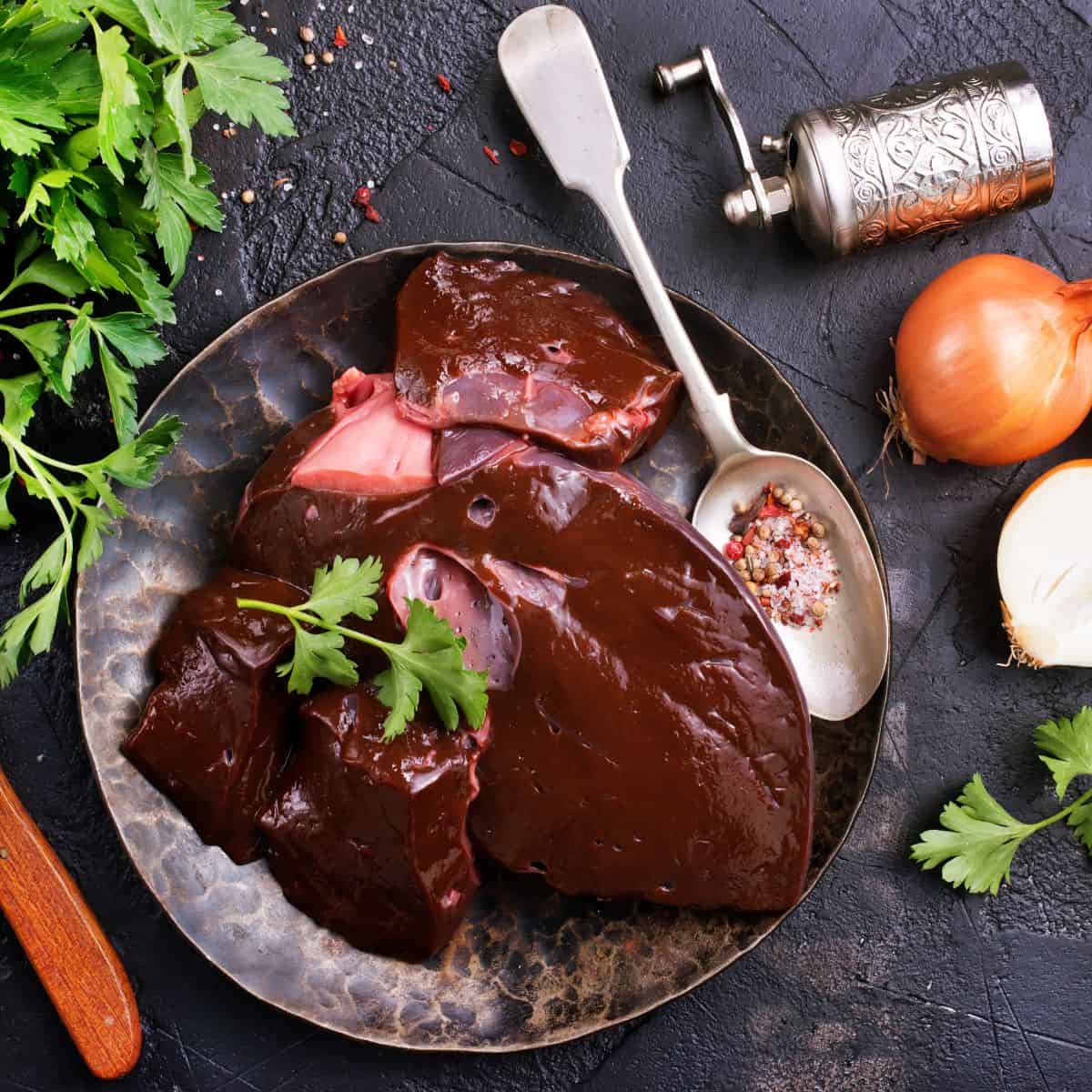
So, if you are continuing to experience signs and symptoms of vitamin A deficiency even after eating more of these plant-based sources, try adding in some food sources that contain retinol that does not require conversion. These sources are fatty fish, like salmon and cod, egg yolks, liver, and even liverwurst, a kind of sausage made of liver that many people find more palatable.
Since vitamin A is toxic in high doses, please seek out the advice of a practitioner if you think you may need to add a supplement to get your vitamin A levels working for you!
Living with cancer, autoimmunity, or complex chronic illness? Check out these success stories from clients who addressed the root-cause contributors that were disrupting their terrain, leaving them vulnerable to disease, and are now thriving!
FAQs
Vitamin A deficiency can arise from inadequate intake, fat malabsorption, or liver disorders.
Leafy green vegetables (kale, spinach, broccoli), orange and yellow vegetables (carrots, sweet potatoes, pumpkin and other winter squash, summer squash), tomatoes, red bell pepper, cantaloupe, mango, beef liver, fatty fish and fish oil, milk, eggs, and fortified foods.
References:
- Gilbert C. What is vitamin A and why do we need it? Community Eye Health. 2013;26(84):65. PMID: 24782580; PMCID: PMC3936685.
- Reider CA, Chung RY, Devarshi PP, Grant RW, Hazels Mitmesser S. Inadequacy of Immune Health Nutrients: Intakes in US Adults, the 2005-2016 NHANES. Nutrients. 2020 Jun 10;12(6):1735. doi: 10.3390/nu12061735. PMID: 32531972; PMCID: PMC7352522.
- Penkert RR, Smith AP, Hrincius ER, McCullers JA, Vogel P, Smith AM, et al. Effect of Vitamin A Deficiency in Dysregulating Immune Responses to Influenza Virus and Increasing Mortality Rates After Bacterial Coinfections. J Infect Dis. 2021 May 28;223(10):1806-1816. doi: 10.1093/infdis/jiaa597. PMID: 32959872; PMCID: PMC8161642.
- Huang Z, Liu Y, Qi G, Brand D, Zheng SG. Role of Vitamin A in the Immune System. J Clin Med. 2018 Sep 6;7(9):258. doi: 10.3390/jcm7090258. PMID: 30200565; PMCID: PMC6162863.
- Polcz ME, Barbul A. The Role of Vitamin A in Wound Healing. Nutr Clin Pract. 2019 Oct;34(5):695-700. doi: 10.1002/ncp.10376. Epub 2019 Aug 7. PMID: 31389093.
- Zinder R, Cooley R, Vlad LG, Molnar JA. Vitamin A and Wound Healing. Nutr Clin Pract. 2019 Dec;34(6):839-849. doi: 10.1002/ncp.10420. PMID: 31697447.
- Michalak M, Pierzak M, Kręcisz B, Suliga E. Bioactive Compounds for Skin Health: A Review. Nutrients. 2021 Jan 12;13(1):203. doi: 10.3390/nu13010203. PMID: 33445474; PMCID: PMC7827176.
- Sommer A. Vitamin A deficiency and its consequences: A field guide to detection and control Third Edition. Published 1995. Accessed December 10, 2022. https://apps.who.int/iris/bitstream/handle/10665/40535/92415447783_eng.pdf
- Clagett-Dame M, Knutson D. Vitamin A in reproduction and development. Nutrients. 2011 Apr;3(4):385-428. doi: 10.3390/nu3040385. Epub 2011 Mar 29. PMID: 22254103; PMCID: PMC3257687.
- Tang G. Bioconversion of dietary provitamin A carotenoids to vitamin A in humans. Am J Clin Nutr. 2010 May;91(5):1468S-1473S. doi: 10.3945/ajcn.2010.28674G. Epub 2010 Mar 3. PMID: 20200262; PMCID: PMC2854912.


Comments
No Comments