

Over the last decade, ketones have gone from being a niche topic among keto diet enthusiasts to a serious subject among researchers, clinicians, athletes, and patients seeking new approaches to metabolic health. Ketone supplements are marketed for a little bit of everything, from improved mental clarity and athletic performance to fasting support and longevity.
More recently, they've attracted attention within the field of metabolic oncology, where research is exploring whether therapeutic ketosis may help support conventional cancer treatments. In fact, interest in exogenous ketones is up across the board, with practitioners exploring metabolic therapies for performance enhancement, neurological disorders, and metabolic disease. (1)
But what exactly are exogenous ketones, and more importantly, do they live up to the growing excitement? This guide will explore what they are, how they work in the body, the different forms available, their potential benefits and limitations, and the emerging science surrounding their use in metabolic oncology. It will separate what's supported by evidence from what's not, helping you make informed decisions about whether exogenous ketones have a place in your own health journey.
QUICK REFERENCE
- What Are Exogenous Ketones?
- How Do Exogenous Ketones Work?
- Types of Exogenous Ketones
- Potential Benefits and Uses
- Putting Exogenous Ketone Benefits Into Perspective
- Safety, Contraindications and DKA Considerations
- Electrolyte and Mineral Load Considerations
- Calcium-Containing Ketone Salts
- Ketone Precursors and Emerging Safety Questions
- Nutritional Ketosis vs. Diabetic Ketoacidosis (DKA)
- Contraindications and Clinical Caution
- Exogenous Ketones and Cancer
- A Closer Look at the Key Research
- Translating the Research into Clinical Practice
- Recommended Products
- How to Take Exogenous Ketones
- Monitoring Your Response
- FAQs
- Unanswered Questions?
- Discussion
What Are Exogenous Ketones?
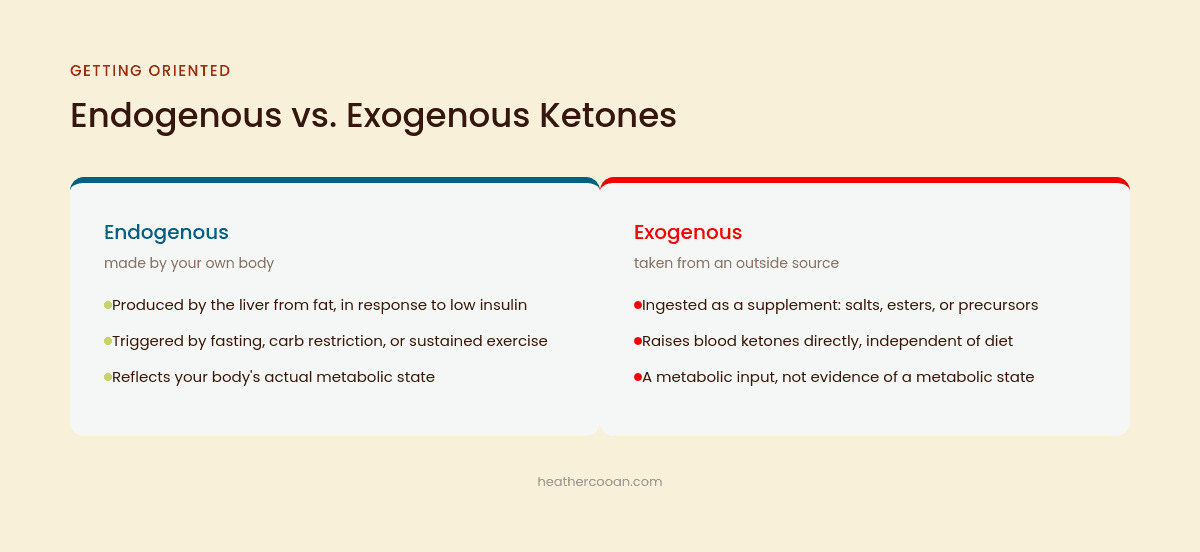
Exogenous ketones are ketone compounds that come from outside your body, typically through supplementation. To help understand it all, let's contrast them with the ketones your body produces on its own.
Under normal circumstances, your body relies on glucose from carbs as its primary fuel source. During periods of low carbohydrate intake, fasting, prolonged exercise, or while following a keto diet, your liver begins producing ketones. These internally produced ketones are known as endogenous ketones.
Exogenous ketones, by contrast, are ingested directly and are designed to raise circulating ketone levels in the blood without requiring the body to enter a ketogenic state fully.
Most exogenous ketone products fall into two main categories: ketone salts and ketone esters. The primary ketone in both endogenous and exogenous contexts is beta-hydroxybutyrate (BHB). BHB is the most abundant and stable ketone body in circulation and is also the main energy-carrying form used by tissues, including the brain, heart, and skeletal muscle. (2)
Ketone salts bind BHB to minerals, like sodium, potassium, calcium, or magnesium. In contrast, ketone esters are more chemically refined compounds that can produce a stronger and more sustained rise in blood ketones.
How Do Exogenous Ketones Work?
Unlike nutrients that require extensive metabolic processing before becoming available as fuel, exogenous ketones are designed to rapidly increase the availability of ketones in the bloodstream. (2) When you consume an exogenous ketone supplement, it's absorbed through the digestive tract and enters the bloodstream, causing blood levels of BHB to rise relatively quickly. Depending on the formulation, blood levels of BHB can begin rising within minutes and often reach peak concentrations within 30 to 60 minutes.
The magnitude and duration of this increase vary depending on several factors, including the type of ketone product used, the dose consumed, and individual metabolic differences.
Because BHB is water-soluble, it can circulate freely throughout the body and be delivered efficiently to tissues that can use it as fuel. (3, 4) Once in circulation, BHB is transported through the bloodstream to organs and tissues with energy demands.
Many tissues can utilize ketones, including:
- The brain
- Skeletal muscle
- The heart
- The kidneys
- Other metabolically active tissues
Specialized transport proteins help move ketones from the bloodstream into cells, where they can be used in cellular energy production. Inside cells, BHB is transported into the mitochondria, where it undergoes a series of biochemical reactions that ultimately generate adenosine triphosphate (ATP), the primary energy used by cells.
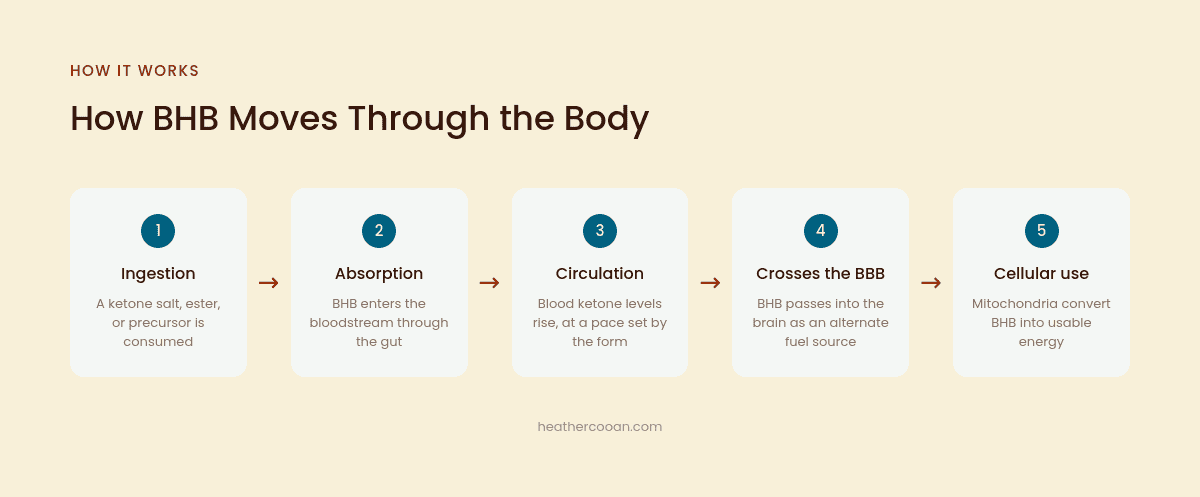
One of the most distinctive features of ketones is their ability to cross the blood-brain barrier, the highly selective membrane that helps regulate which substances can enter the brain from the bloodstream. (5) Unlike many compounds, ketones are readily transported across this barrier and can be used by brain cells as an energy source.
Tissues throughout the body access this alternative energy source within a relatively short period of time, which creates a metabolic state that resembles ketosis. But this process shouldn't be confused with what results from the body undergoing the full set of hormonal and metabolic adaptations associated with nutritional ketosis.
This is an important distinction. Exogenous ketones can increase circulating ketone levels, but they don't automatically reduce insulin or glucose in the same way that fasting or carb restriction typically do. In other words, they provide a fuel source, but might not provide the metabolic "switch" that comes with dietary ketosis. (6)
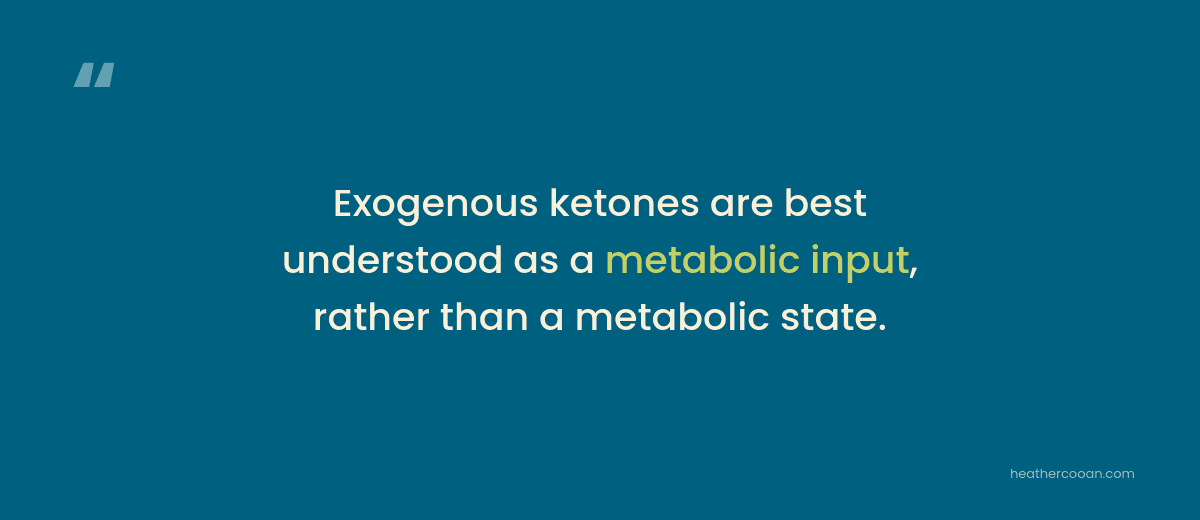
From a physiological standpoint, exogenous ketones are best understood as a metabolic input, rather than a metabolic state. (7) They can temporarily elevate ketone availability, but they don't inherently reprogram how the body produces or regulates energy over time.
This difference becomes central to how they're used in clinical research and practical applications. In some contexts, they're being explored as a supportive tool in emerging metabolic therapies.
Types of Exogenous Ketones
Not all exogenous ketone products are created equal. While they share the common goal of increasing circulating ketone levels, the way they accomplish this varies considerably.
Understanding the different forms of exogenous ketones is important because each comes with its own advantages, limitations, cost considerations, and potential applications. Some products are designed to produce modest increases in blood ketones and are widely available to consumers. In contrast, others are primarily used in research settings because they can generate much higher ketone concentrations.
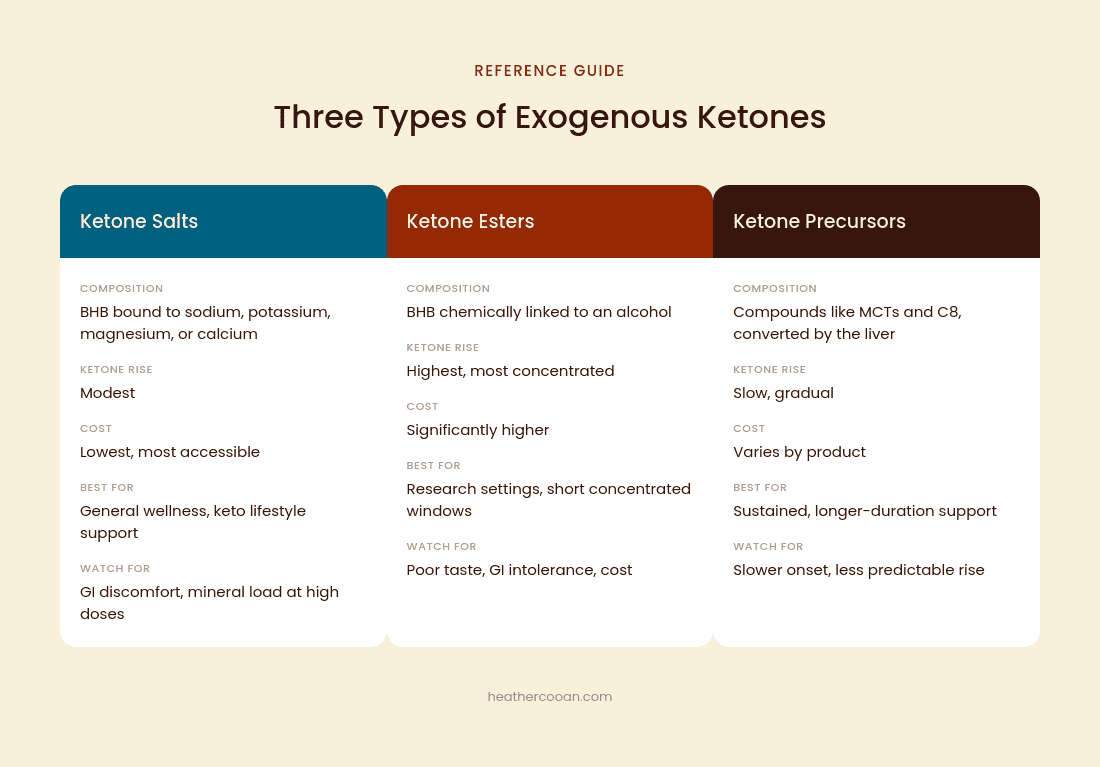
Broadly speaking, most exogenous ketone products fall into three categories: ketone salts, ketone esters, and ketone precursors.
Ketone Salts
Ketone salts are the most common form of exogenous ketone supplement on the market. These products contain BHB bound to one or more minerals, typically sodium, potassium, magnesium, or calcium. The mineral component helps stabilize the BHB molecule, allowing it to be formulated as a powder, capsule, or beverage. (8)
Because ketone salts are relatively inexpensive to manufacture, they're the typical entry point if you're interested in experimenting with exogenous ketones. They're widely marketed for athletic performance, fasting support, and general keto lifestyle support.
After consuming the product, the BHB is absorbed into the bloodstream, resulting in a measurable increase in blood ketone levels. However, ketone salts generally produce more modest elevations than ketone esters.
For many people, this may be entirely sufficient. If you're seeking higher therapeutic ketone levels, you may require a different approach.
Potential Advantages of Ketone Salts:
- Greater accessibility
- Lower cost
- Improved taste compared to ketone esters
- Availability in multiple formulations
Potential Limitations:
- Gastrointestinal discomfort in some
- Significant mineral intake at higher doses
- Lower peak ketone concentrations compared to esters
- The mineral content becomes particularly important when products are used frequently or in large quantities.
Ketone Esters
Ketone esters are a more concentrated and potent category of exogenous ketone products. Rather than binding BHB to a mineral, ketone esters chemically link ketones to an alcohol molecule that is rapidly metabolized after you consume it. This allows for substantially higher blood ketone concentrations compared to most ketone salt formulations.
Because of their potency, ketone esters are frequently used in research studies investigating ketosis, metabolism, exercise physiology, and therapeutic applications. In many cases, ketone esters can raise blood ketone levels to ranges that would be difficult to achieve with ketone salts. (9)
They're far less diverse and generally more standardized, largely because they originate from a small number of research-driven development programs. One of the most well-known compounds is the ketone ester developed through Oxford-based research collaborations, commonly referred to as a DeltaG® ketone ester. (10) This formulation, based on (R)-3-hydroxybutyl (R)-3-hydroxybutyrate, has served as the foundation for many of the human studies examining ketone metabolism in sports science, military performance research, and metabolic investigations.
Ketone esters aren't widely used in everyday wellness settings. Instead, they're used primarily in specific environments where precise metabolic manipulation is of interest. This includes clinical and research settings focused on metabolic studies, neuroenergetics, fasting-mimicking interventions, and exploratory metabolic oncology frameworks where ketone availability is being investigated as a variable rather than a treatment. Outside of research environments, ketone esters are most commonly seen in elite endurance performance contexts, including ultra-endurance cycling, military performance trials, and controlled experimental fueling protocols.
Potential Advantages:
- Higher blood ketone concentrations
- More predictable ketone responses
- Greater utility in research settings
- Reduced mineral burden
Potential Limitations:
- Significantly higher cost
- Poor taste and palatability
- Gastrointestinal intolerance in some individuals
For these reasons, ketone esters are often used in specialized settings rather than as everyday consumer supplements.
Ketone Precursors
A third category includes compounds that are not ketones themselves but can be converted into ketones by the body. These are often referred to as ketone precursors.
Examples:
- Medium-chain triglycerides (MCTs, like in bulletproof coffee!) (11)
- Caprylic acid (C8)
- Certain butanediol-containing compounds
Unlike ketone salts or ketone esters, precursors do not immediately deliver ketones into the bloodstream. Instead, they undergo processing in the liver, where they may stimulate endogenous ketone production. Because this conversion process takes time, the rise in blood ketones is typically slower and less predictable than with direct ketone supplementation.
Ketone precursors are frequently incorporated into ketogenic nutrition programs and may help you support sustained ketone production. (12)
Emerging research has also examined certain precursor compounds for therapeutic applications, but questions remain regarding long-term safety, optimal dosing, and potential effects on liver metabolism. Most of the available evidence comes from preclinical studies, and their relevance to humans remains unclear.
Potential Benefits and Uses
Although ketones are best known as an energy source, researchers are increasingly exploring whether they may also act as signaling molecules within the body. (4)
Unlike glucose or fat, BHB appears to do more than simply provide fuel. Laboratory studies suggest it may influence a variety of biological processes involved in cellular communication and metabolic regulation.
Early research suggests that BHB may influence:
- Cellular stress responses
- Inflammatory signaling
- Oxidative stress regulation
- Gene expression
- Mitochondrial function
These potential effects have expanded scientific interest in ketones well beyond their role in energy metabolism. While laboratory and animal studies have produced intriguing findings, the clinical significance of these mechanisms in people hasn't yet been fully established.
The potential uses of exogenous ketones stem from the simple idea that providing the body with a readily available alternative fuel source in the form of BHB may offer advantages in certain situations. This line of inquiry has expanded research beyond energy metabolism into areas of human performance, metabolic health, and neurological function.
Still, it's important to distinguish between well-established physiological effects and proposed clinical applications. Some effects are consistently observed, while many of the potential benefits remain preliminary or depend heavily on your specific context and the circumstances in which the ketones are used.
Established Effect: Raising Blood Ketone Levels
As discussed earlier, the most consistently demonstrated effect of exogenous ketones is raising circulating blood ketone levels. (2) Beyond that, most proposed applications remain emerging or context-dependent.
Cognitive Performance and Mental Clarity
One of the most common reasons people use exogenous ketones is their potential effect on cognitive performance. Because your brain can readily utilize ketones as an energy source, researchers have become interested in whether increasing ketone availability might support mental clarity, focus, or cognitive resilience. (13)
Some small human studies and mechanistic models suggest potential benefits during:
- Periods of fasting or caloric restriction
- Sleep deprivation or metabolic stress
- Low-glucose availability
Results across studies have been inconsistent, and responses appear to vary depending on personal factors like baseline diet, metabolic flexibility, and individual physiology. (5) At present, improvements in cognition should be viewed as promising but not yet established.
Neurological and Metabolic Research
Beyond cognitive performance, exogenous ketones are also being investigated for their potential role in conditions involving altered brain energy metabolism or increased metabolic demand. (14)
Areas of ongoing research include:
- Neurodegenerative diseases
- Acute neurological injury (15)
- Age-related cognitive decline
Although these areas are scientifically interesting, human clinical evidence remains limited and doesn't currently support definitive therapeutic conclusions.
Exercise Performance and Endurance
Exogenous ketones have also been studied for their potential effects on physical performance, particularly during endurance exercise. (16) The underlying hypothesis is that ketones may provide an additional fuel source capable of reducing reliance on glycogen during prolonged activity.
Researchers have examined whether this translates into improved endurance, delayed fatigue, or enhanced recovery, but results have been mixed. (17) Some studies have found little or no improvement in performance, while others have reported gastrointestinal discomfort or even reduced performance during high-intensity exercise. Presently, exogenous ketones aren't considered a reliable performance-enhancing supplement, although research continues in specific endurance settings.
Fasting and Ketogenic Diet Support
Some people use exogenous ketones while practicing intermittent fasting or following a keto diet. In these contexts, supplementation may temporarily increase blood ketone levels during dietary transitions or the early stages of keto adaptation. (18)
Their role in this setting is generally considered supportive rather than transformative.
Exogenous ketones don't replace your body's own production of ketones through fat oxidation or recreate all of the metabolic adaptations associated with sustained nutritional ketosis. Instead, they may serve as a temporary complement to these dietary approaches.
Putting Exogenous Ketone Benefits Into Perspective
Exogenous ketones clearly increase circulating ketone levels, and researchers continue to uncover new ways that ketones may influence human physiology beyond serving as an energy source. These discoveries have generated interest across a wide range of potential applications, but the scientific evidence remains preliminary. Early findings are encouraging, but larger and longer-term human studies are still needed before exogenous ketones can be recommended as effective interventions for most health or performance goals.
Can Exogenous Ketones Replace a Ketogenic Diet?
A common question that seems to come up when people first encounter exogenous ketones is whether they can replicate the effects of a keto diet without making any dietary changes. On the surface, the logic seems to work. If exogenous ketones raise blood ketone levels, then they might reproduce the metabolic state associated with nutritional ketosis. But this interpretation oversimplifies how metabolism actually adapts to changes in fuel availability.
Exogenous ketones and the keto diet both increase circulating levels of BHB, but beyond that, the physiological effects begin to diverge.
Ketone Levels vs Metabolic State
Raising blood ketone levels is not the same thing as entering a ketogenic metabolic state. Both a keto diet and fasting induce a coordinated set of metabolic changes that develop over time, including shifts in hormone signaling, enzyme activity, and substrate utilization patterns across multiple tissues.
Exogenous ketones provide ketones directly, allowing blood ketone levels to rise without requiring the same broader physiological adaptations. (2) In practical terms, this means that exogenous ketones can create a measurable state of ketosis in the bloodstream, but not necessarily the full metabolic remodeling associated with sustained carb restriction.
Fuel Availability vs Fuel Adaptation
One way to understand this distinction is to separate two concepts:
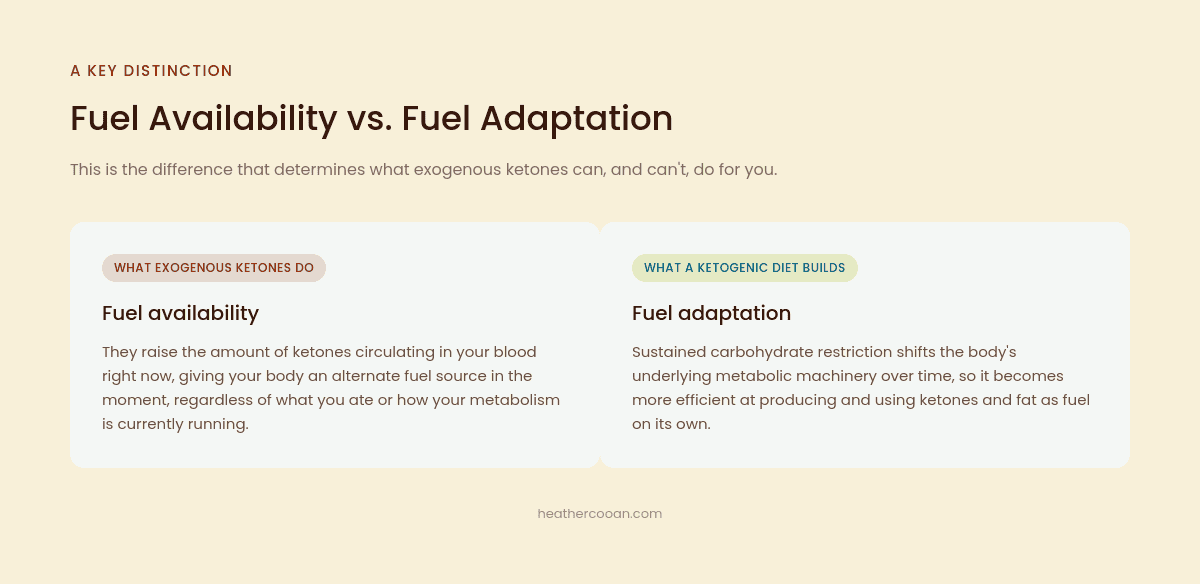
- Fuel Availability: the presence of ketones in the bloodstream
- Fuel Adaptation: the body's ability to efficiently produce and switch between fuels
Exogenous ketones primarily influence the first category, increasing the availability of ketones that tissues can use immediately. However, they don't inherently train the body to rely on fat-derived fuels over time, nor do they replicate the adaptive changes that occur with sustained dietary ketosis.
Insulin, Glucose, and Metabolic Signaling
Another important distinction relates to glucose and insulin regulation. Keto diets and fasting typically reduce carb intake, which then influences insulin signaling and glucose dynamics over time.
Exogenous ketones don't directly replicate this and are best understood as an adjunct tool rather than a replacement strategy. This is one reason why exogenous ketones and keto diets are often discussed as complementary rather than interchangeable approaches. (1)
Safety, Contraindications and DKA Considerations
Most healthy individuals generally tolerate exogenous ketones well. However, like any metabolic intervention, their effects depend on the dose, formulation, your baseline health status, and your individual physiology.
This section focuses on practical safety considerations, potential side effects, and important clinical distinctions that are often misunderstood, like the difference between nutritional ketosis and diabetic ketoacidosis (DKA).
Electrolyte and Mineral Load Considerations
As previously discussed, ketone salt formulations deliver BHB bound to minerals, including sodium, potassium, magnesium, or calcium. While these minerals are essential for normal physiological function, frequent or high-dose supplementation can contribute to a substantial cumulative mineral intake, particularly if multiple electrolyte-containing products are used concurrently. (19)
For most healthy individuals who use these products occasionally, this wouldn't be expected to be problematic. However, if you've been advised to limit sodium or potassium intake, or you have certain kidney, cardiovascular, or metabolic conditions, you must consider the total mineral content of all supplements. You may need guidance from your healthcare provider.
Calcium-Containing Ketone Salts
Some ketone salt formulations use calcium as the primary mineral carrier for BHB. Depending on the product and serving size, repeated daily use may provide a meaningful amount of supplemental calcium.
Calcium is essential for bone health, muscle contraction, nerve signaling, and many other important physiological processes, but obtaining very large amounts of calcium from supplements is generally not recommended. Some studies have suggested that excessive supplemental calcium intake may be associated with an increased risk of kidney stones or cardiovascular events in certain populations. However, the evidence remains mixed and continues to be debated. (20)
If you already take calcium supplements or have a history of kidney stones, disorders of calcium metabolism, or chronic kidney disease, it's worth considering your total daily calcium intake from all dietary and supplemental sources when selecting a ketone product. (19)
Ketone Precursors and Emerging Safety Questions
Ketone precursors such as medium-chain triglycerides (MCTs) have been used in clinical nutrition and dietary supplements for decades. They are generally considered safe when consumed in typical dietary or supplemental amounts. (21) At higher doses, they may cause gastrointestinal side effects such as bloating, cramping, nausea, or diarrhea. (22)
Relatively little research has examined the long-term use of some newer ketone precursor compounds at high supplemental doses. A small number of animal studies have raised theoretical questions regarding metabolic stress responses under specific experimental conditions. Still, presently, there's no established evidence that standard dietary or supplemental use of ketone precursors poses a significant safety concern for healthy individuals.
Nutritional Ketosis vs. Diabetic Ketoacidosis (DKA)
One of the most important safety concepts to understand is the distinction between nutritional ketosis and diabetic ketoacidosis (DKA). (4)
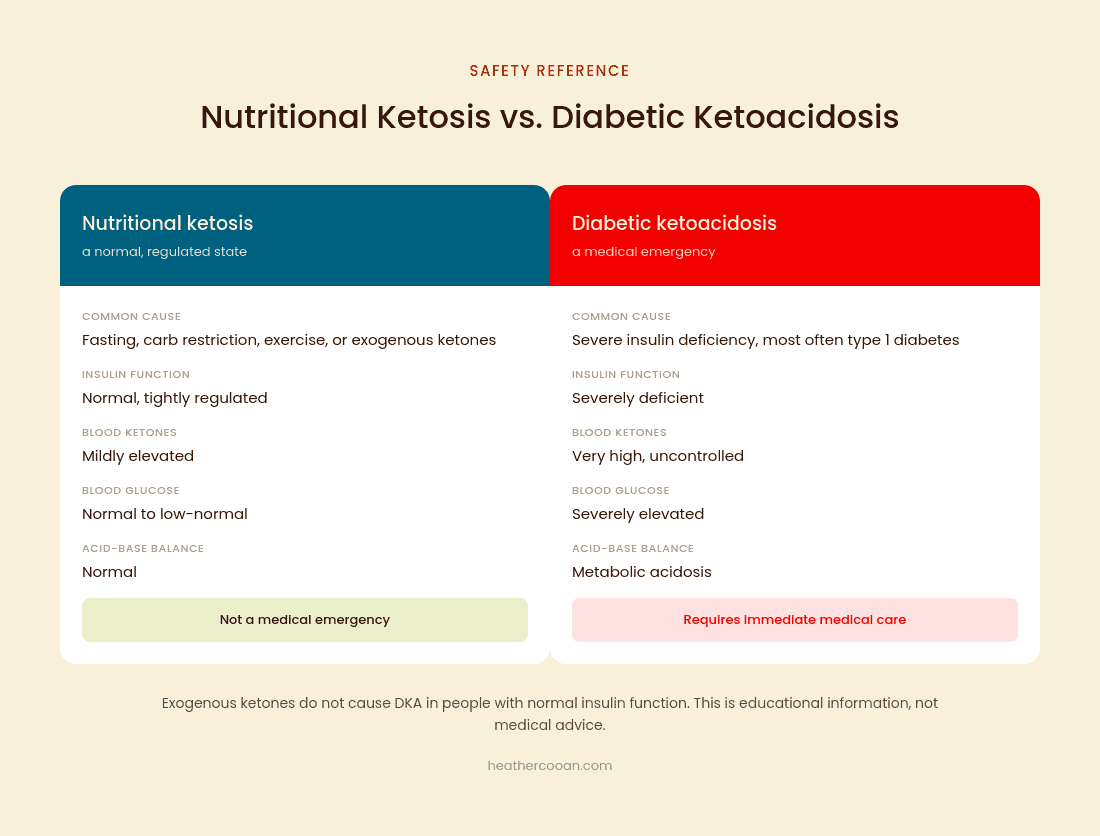
Nutritional ketosis is a normal, tightly regulated metabolic state characterized by mildly elevated blood ketone levels in the presence of normal insulin function and appropriate regulation of blood glucose and acid-base balance. It commonly occurs during fasting, carb restriction, prolonged exercise, or after consuming exogenous ketones.
On the other hand, DKA is a serious and potentially life-threatening medical emergency that occurs primarily in people with severe insulin deficiency, most commonly those with type 1 diabetes or advanced insulin-dependent diabetes. Although both conditions involve elevated ketone concentrations, they fundamentally differ in their underlying physiology.
DKA is characterized by uncontrolled ketone production, severe hyperglycemia, metabolic acidosis, dehydration, and widespread metabolic dysregulation. (23) Blood ketone concentrations are typically much higher than those achieved through nutritional ketosis or exogenous ketone supplementation.
Current evidence indicates that exogenous ketones do not cause DKA in individuals with normal insulin function. However, if you have diabetes or another condition affecting insulin production or glucose regulation, any intervention that alters glucose or ketone metabolism should be undertaken with medical supervision.
Contraindications and Clinical Caution
Although exogenous ketones appear to be safe for most healthy adults, you should exercise additional caution and discuss supplementation before use if any of the following pertain to you:
- Type 1 diabetes
- Advanced insulin-dependent diabetes
- A history of diabetic ketoacidosis
- Significant kidney disease
- Significant liver disease
- Disorders affecting mineral or electrolyte balance
- You're taking medications that significantly alter blood glucose levels
(As with many nutritional supplements, safety data during pregnancy and breastfeeding remain limited.)
Exogenous Ketones and Cancer
Why Are Researchers Interested in Ketones and Cancer?
One of the fastest-growing areas of ketone research is metabolic oncology. This is the study of how metabolism influences cancer development, progression, and response to treatment. Rather than focusing solely on cancer genetics, metabolic oncology examines how cancer cells generate and use energy and whether altering the body's metabolic environment may improve treatment outcomes. (24)
Many cancer cells exhibit altered metabolism, relying heavily on glucose and glycolysis even when oxygen is readily available-a phenomenon commonly known as the Warburg effect. (25) This has led researchers to investigate whether therapies that lower glucose availability while increasing ketone availability may create a metabolic environment that's less favorable for certain cancer cells while continuing to support healthy tissues.
It's important to recognize that cancer is not a single disease. Different cancers, and even different tumors within the same cancer type, can vary considerably in how they generate energy and respond to metabolic therapies. This remains problematic because researchers don't expect all cancers to respond similarly to ketosis or exogenous ketones.
Hyperbaric Oxygen Therapy (HBOT) and Metabolic Therapy
One area receiving increasing scientific attention is the combination of ketosis and hyperbaric oxygen therapy (HBOT).
HBOT involves breathing nearly 100% oxygen inside a pressurized chamber, increasing the amount of dissolved oxygen delivered throughout your body. It's an established medical treatment for several conditions, including decompression sickness, radiation injury, and difficult-to-heal wounds. More recently, researchers have begun exploring whether HBOT may also complement metabolic therapies in oncology.
The proposed rationale is based on two complementary concepts. First, ketosis may reduce glucose availability while providing ketones as an alternative fuel source for healthy tissues. Second, HBOT substantially increases tissue oxygenation and may increase the production of reactive oxygen species (ROS), leading to greater oxidative stress within metabolically vulnerable tumor cells. Together, these therapies may create metabolic conditions that are more difficult for some cancer cells to tolerate while helping preserve normal tissue function. (26)
Another potential advantage is that ketones may help support mitochondrial function and energy production in normal tissues during periods of metabolic stress. Some researchers have suggested that this could potentially help protect healthy cells while tumor cells remain metabolically disadvantaged.
This proposed mechanism remains an active area of investigation and has generated considerable interest in preclinical cancer research.
What the Animal Studies Have Shown
Much of the enthusiasm surrounding ketones and cancer comes from well-designed animal studies.
Perhaps the most widely cited is the 2013 study by Poff and colleagues, which examined the effects of a keto diet, HBOT, and their combination in mice with systemic metastatic cancer. In this model, the ketogenic diet alone slowed tumor growth and increased mean survival by approximately 56.7% compared with controls. (25) When combined with HBOT, survival increased to approximately 77.9%, while tumor growth was further reduced.
Subsequent work expanded on these findings by evaluating exogenous ketone supplementation alongside keto therapy and HBOT. Additional preclinical studies, a University of South Florida dissertation, and a FASEB conference abstract all reported similar trends, suggesting that ketogenic therapy, ketone supplementation, and HBOT each slowed disease progression individually and produced greater effects when combined in the metastatic mouse model. (27)
These findings support continued investigation and implementation of metabolic therapies as potential adjuncts to conventional cancer treatment. (28) It's important to remember that studies conducted primarily in animal models are designed to test biological hypotheses under controlled laboratory conditions, and don't always translate to human models.
A Closer Look at the Key Research
The University of South Florida Dissertation
The preclinical work published by Poff and colleagues was expanded in a University of South Florida dissertation titled Targeting Cancer Metabolism with Ketosis and Hyperbaric Oxygen. This work explored how keto diets, exogenous ketone supplementation, and HBOT may work individually and together to influence tumor metabolism in metastatic cancer models.
The dissertation reported that each intervention demonstrated anti-tumor effects on its own, while combination approaches produced the greatest improvements in slowing disease progression and extending survival. (29)
Additional Preclinical Evidence
A FASEB conference abstract built upon this work by reporting that keto diets, ketone supplementation, and HBOT inhibited metastatic spread, slowed tumor growth, and prolonged survival in the VM-M3 metastatic cancer model. (27) These findings were consistent with earlier laboratory studies and support continued investigation into metabolic therapies.
Oncology Central Summary
As interest in metabolic oncology grows, several publications have summarized the evolving body of preclinical evidence. One such review published by Oncology Central highlighted the potential for ketone supplementation to enhance the anti-cancer effects of ketogenic therapy and HBOT. (28)
Translating the Research into Clinical Practice
The published research provides a compelling biological rationale for studying ketones in oncology, but translating encouraging laboratory findings into patient care is a complex process.
Animal studies allow researchers to tightly control diet, environment, tumor type, and treatment timing in ways that aren't possible in human clinical trials. Promising findings in mice don't always translate to people.
If you're exploring metabolic therapies as part of your cancer care, it's important to view exogenous ketones as an area of active investigation rather than established cancer therapy. Researchers continue to study how ketosis, exogenous ketones, keto diets, and HBOT may interact with conventional treatments such as chemotherapy, radiation therapy, surgery, and immunotherapy.
Recommended Products
When selecting an exogenous ketone supplement, the goal is not simply "raising ketones," but understanding how different formulations influence energy metabolism, electrolyte balance, and physiological tolerance. Choosing the right one depends largely on why you're taking it. Not all ketone supplements use the same active ingredients, raise blood ketones to the same degree, or remain elevated for the same length of time.
If You're Using Exogenous Ketones as Part of a Metabolic Oncology Protocol
If you're undergoing metabolic oncology treatment, the primary goal is typically to achieve meaningful elevations in circulating ketone levels while coordinating supplementation with other components of your treatment plan. To achieve therapeutic ketosis, ketone esters are often considered the most effective exogenous ketone option because they can raise blood ketone levels substantially higher than ketone salts. (2)
KetoneAid KE4
One of the most commonly used products in metabolic oncology circles is KetoneAid KE4, a ketone ester based on the same ketone ester technology that's been used extensively in human ketone metabolism research. (30) Because ketone esters can produce a rapid and significant rise in blood BHB levels, some practitioners incorporate them into metabolic protocols designed to achieve deeper levels of ketosis for a relatively short period of time.
In practical settings, KE4 is often consumed shortly before relatively brief therapies, such as radiation treatments. Blood ketone levels typically rise rapidly and remain elevated for a shorter window of time, approximately 45 minutes before gradually declining. (31) This makes ketone esters useful when a concentrated period of ketosis is desired.
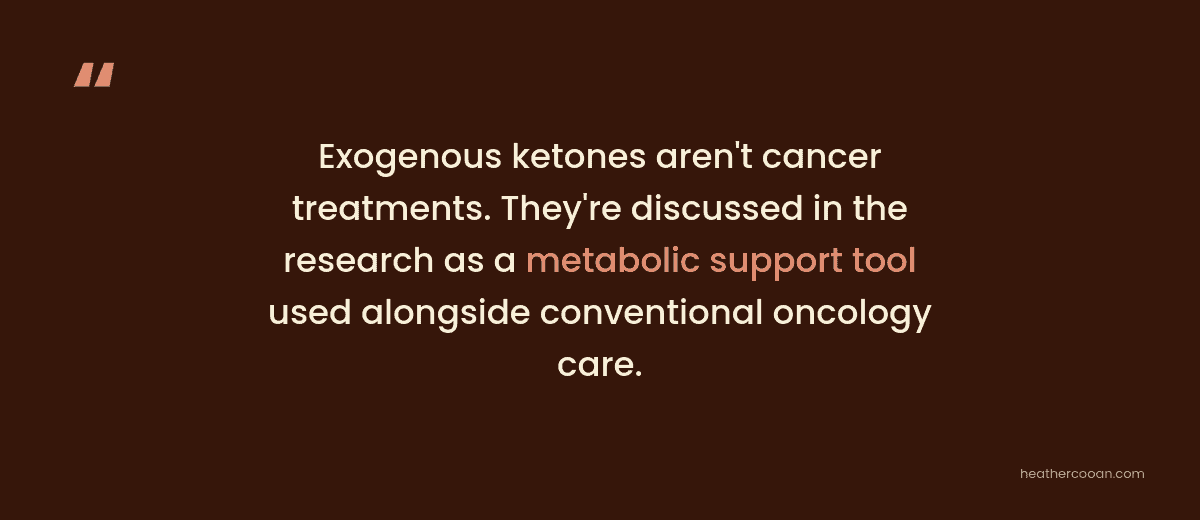
Ketone esters are not considered cancer treatments. Instead, they're used as metabolic support tools within broader therapeutic strategies that may also include conventional oncology care, keto diets, fasting protocols, and other supportive interventions.
Ketone-IQ
Another approach involves ketone precursor products. Unlike ketone esters, precursors aren't ketones themselves but compounds that the liver converts into ketones after consumption.
One example frequently discussed in metabolic oncology communities is KetoneIQ, which contains the ketone precursor R-1,3-butanediol, which your body utilizes to generate ketones through hepatic metabolism. (30) Because the conversion process occurs gradually, ketone levels tend to rise more slowly and remain elevated for several hours, typically between 4-6 hours, compared with ketone esters.
This longer duration has made precursor-based products appealing in situations where treatments extend over several hours and require extended metabolic support, such as HBOT or chemotherapy infusions. (32)
Certain ketone precursor compounds have also been evaluated in preclinical toxicology studies. Some animal data have raised questions about potential effects on liver metabolism during chronic exposure to specific precursor formulations. (33) However, the relevance of these findings to commercially available products and human use remains unclear.
While these applications are increasingly discussed within metabolic oncology circles, formal clinical evidence supporting specific timing strategies remains limited.
Mg / K / Na BHB Blends (Electrolyte-Focused Ketone Salts)
For patients who require a ketone salt formulation, the general recommendation is products containing magnesium, potassium, or sodium beta-hydroxybutyrate (BHB). Depending on your electrolyte needs, these minerals may be used individually or combined to provide broader electrolyte support while increasing circulating ketone levels.
While Bulk Supplements is one popular brand, this category refers less to a single brand and more to the structural design of ketone salts. (34) The different ketone salts can have different impacts on the body.
Mg-BHB (Magnesium-bound BHB) offers neuromuscular support with a calming effect. K-BHB (Potassium-bound BHB) provides cellular fluid balance and electrical stability. Na-BHB (Sodium-bound BHB) is associated with rapid absorption and the strongest acute ketone rise.
Ketone metabolism is tightly linked to our electrolyte demand. When insulin drops and ketones rise, the body excretes more sodium and water. This is why poorly formulated ketone supplements can cause the "keto flu," a constellation of flu-like symptoms like fatigue, headache, and brain fog. (35)
A balanced mix that includes Mg/K/Na can help you reduce adaptation symptoms, support hydration and blood pressure stability, and improve your energy levels.
Calcium BHB: A Special Consideration
One form of ketone salt that has generated discussion within metabolic oncology is calcium BHB. Calcium is an essential nutrient involved in bone health, muscle contraction, nerve signaling, and many other normal physiological functions. Dietary calcium obtained through food remains an important part of a healthy diet, and current epidemiological evidence doesn't support the idea that consuming calcium-rich foods promotes cancer. In fact, large population studies have associated higher dietary calcium intake with a lower risk of colorectal cancer. (36)
The discussion surrounding calcium BHB instead centers on intracellular calcium signaling, which plays a fundamental role in regulating cell behavior. (9) Calcium acts as a critical second messenger inside cells, and many cancer cells remodel calcium channels, pumps, and transporters in ways that promote proliferation, angiogenesis, migration, metastasis, and resistance to apoptosis. (37)
Reviews of the cancer biology literature have identified dysregulated intracellular calcium homeostasis as one of the mechanisms that may support tumor development and progression. (38) Elevated intracellular calcium signaling in many cancers is thought to reflect abnormal calcium-channel activity that may contribute to malignant behavior.
It's important to distinguish these intracellular signaling mechanisms from dietary calcium intake. While elevated blood calcium levels can occur in some patients with advanced cancer, particularly those with bone metastases or certain malignancies, this is a consequence of the disease process rather than evidence that dietary calcium causes cancer.
Because of these mechanistic findings, some practitioners working in metabolic oncology choose to avoid calcium-containing ketone salts during active cancer treatment, instead favoring sodium-, potassium-, or magnesium-based BHB formulations for therapeutic ketosis strategies. This preference is based primarily on mechanistic and preclinical evidence rather than human clinical trials demonstrating harm from calcium-BHB itself. No clinical consensus exists on whether calcium-containing ketone salts should routinely be avoided. It's an evolving area of research rather than an established standard of care. (37)
If You're Using Exogenous Ketones for General Wellness
If your goals include supporting nutritional ketosis, intermittent fasting, mental clarity, or optimizing your overall keto lifestyle, convenience, taste, and long-term consistency often become more important than achieving the highest possible ketone concentrations.
Perfect Keto
Perfect Keto is one of the most widely used exogenous ketone products in clinical nutrition settings due to its simplicity and predictable formulation. (39) It acts as a balanced entry option if you're looking to support a keto lifestyle or intermittent fasting.
What It Typically Provides:
- BHB bound to sodium, calcium, and magnesium
- Moderate ketone elevation without extremely high electrolyte load
- Often paired with MCT products in protocols for gradual adaptation
Why It's Used:
- Easier digestive tolerance for beginners
- More stable "entry-level ketosis support"
- Useful during keto transition phases or intermittent fasting windows (18)
This formulation is often chosen when the goal is gentle metabolic shifting rather than aggressive ketone elevation.
Kenetik
Kenetik is generally positioned toward higher-intensity metabolic use cases, with a stronger emphasis on rapid ketone elevation. (40) Because of its potency, it may produce more noticeable shifts in hydration status, so electrolyte monitoring becomes more important.
What It Typically Provides:
- Often higher total ketone yield per serving compared to entry-level formulas
- Designed for faster rise in circulating ketones
Why It's Used:
- Situations where quick ketone availability is desired (fasting windows, cognitive demand, metabolic testing phases)
- More experienced keto users who already have electrolyte adaptation
Kenetik may help support cognitive performance, sustained energy, and everyday metabolic flexibility. For many people, these products can be incorporated into a broader ketogenic or low-carb lifestyle when convenience and ease of use are priorities.
No single exogenous ketone product is ideal for every situation. The most appropriate choice depends on your goals, the type of ketone you wish to use, the duration of ketone elevation you're seeking, your tolerance of different formulations, and any underlying medical conditions.
If you're using exogenous ketones as part of a metabolic oncology protocol, product selection should be individualized and coordinated with your overall treatment plan.
How to Take Exogenous Ketones
How you take exogenous ketones depends largely on why you're taking them. Whether your goal is supporting a keto lifestyle, extending a fast, exercising, improving mental clarity, or participating in a medically supervised metabolic program, the timing and type of ketone supplement you choose can make a big difference.
General Use
If you're new to exogenous ketones, it's generally best to start slowly and give your body time to adapt. (19)
Many people tolerate these supplements well, but taking a full serving immediately may increase the likelihood of digestive discomfort, particularly with ketone salts or MCT-containing products. (2)
A practical approach is to:
- Begin with ¼ to ½ of the manufacturer's recommended serving.
- Mix the product with plenty of water.
- Assess your energy, digestive comfort, and overall response.
- Gradually increase your intake over several days if needed.
Some people experience temporary side effects when first starting, including:
- Mild nausea
- Bloating
- Loose stools
- Temporary stomach discomfort
These effects are usually related to serving size, the type of ketone product you're using, or how quickly you consumed it.
More isn't necessarily better. Once blood ketone levels reach a certain point, additional supplementation often provides diminishing returns while increasing the likelihood of gastrointestinal discomfort or excessive mineral intake from ketone salts.
Always begin with the manufacturer's suggested serving size, or less if you're new to exogenous ketones, and adjust based on your tolerance, goals, and guidance from your healthcare provider when needed.
During Fasting or a Ketogenic Diet
Exogenous ketones are commonly used while fasting or transitioning into a ketogenic diet.
If you're fasting, you may find that temporarily increasing circulating ketone levels helps support:
- Hunger management
- Stable energy
- Mental clarity
- Focus during longer fasting periods
The first several days of carb restriction can be challenging as your body shifts from relying primarily on glucose to using more fat and ketones for fuel. (4) During this transition, some people find that exogenous ketones help bridge the gap while metabolic flexibility improves.
Before Exercise
Some athletes and physically active individuals choose to take exogenous ketones before exercise, particularly during prolonged endurance activities or while following a low-carb diet.
The rationale is that ketones may serve as an additional energy source during longer bouts of exercise, potentially helping preserve other fuel sources under certain conditions. (31) If you choose to experiment with exogenous ketones before exercise, many people take them approximately 30 to 60 minutes beforehand to allow blood ketone levels to rise. As with any nutritional strategy, your individual response is likely to depend on your training status, dietary pattern, exercise intensity, and metabolic flexibility.
For Cognitive Support
Because your brain readily uses ketones as an energy source, some people choose to take exogenous ketones before mentally demanding activities. (5)
This might include:
- Studying
- Extended work sessions
- Long meetings
- Travel
- Sleep deprivation
- Tasks requiring sustained concentration
Some users report improvements in focus, concentration, mental stamina, or cognitive clarity after taking exogenous ketones. Responses vary considerably from person to person, and larger human studies are still needed to better understand who is most likely to benefit.
If you're interested in trying exogenous ketones for cognitive support, consider using them before situations that require prolonged mental effort and monitor your own response over time.
Cancer-Support Protocols
Exogenous ketones used within a metabolic oncology program are typically approached differently than exogenous ketones used for other purposes. The goal in this context isn't simply raising ketone levels. It's supporting a broader metabolic strategy, developed collaboratively between a person and their treatment team, that fits their specific cancer type and overall care plan.
In this kind of program, blood ketone levels are considered one piece of a larger picture rather than a number to maximize on its own. Practitioners working in metabolic oncology generally look at the whole metabolic environment and how it lines up with a person's individualized treatment plan, something only that person's care team can define.
The type of exogenous ketone, its formulation, and its timing are all individualized decisions in this setting, based on a person's treatment schedule, metabolic goals, and overall clinical picture. In practice, some metabolic oncology programs coordinate ketone timing with other therapies, like HBOT, radiation, or chemotherapy infusions, as part of a broader strategy. This kind of coordination requires clinical oversight and isn't something to plan from a guide like this one.
If you're navigating cancer and interested in exploring exogenous ketones as part of your care, that conversation belongs with your oncology team or a practitioner trained in metabolic oncology who can work directly with your treatment plan.
Monitoring Your Response
Since exogenous ketones are viewed as one tool within a broader metabolic strategy, monitoring your response is often more informative than simply taking a supplement or trying to achieve the highest possible ketone reading.
Rather than relying on a single number, look at the bigger picture. Depending on your treatment plan, this may include monitoring:
- Blood glucose, to better understand your day-to-day glucose patterns and metabolic response.
- Blood BHB, to assess your level of circulating ketones.
- The Glucose Ketone Index (GKI), which combines blood glucose and ketone measurements into a single metric that may help track changes in your metabolic state over time. (41)
- Energy levels, including how you're feeling throughout the day and during treatment.
- Symptoms and quality of life, such as appetite, mental clarity, fatigue, gastrointestinal tolerance, and your overall sense of well-being.
- Overall clinical progress, including how you're responding to your individualized treatment plan and whether adjustments may be appropriate.
These measurements aren't intended to judge success or failure, nor is there a single target that's appropriate for everyone. Instead, they provide information that helps you and your care team better understand how your body is responding over time and allows your plan to be tailored to your specific metabolic needs as they change.
It's important to view this ongoing assessment as one of the most valuable aspects of care. Rather than focusing on a single supplement or lab value, multiple pieces of information are simultaneously viewed to help guide decisions, monitor progress, and support your overall treatment strategy.
Exogenous ketones provide a direct way to elevate your circulating ketone levels and offer an alternative fuel source that can be utilized by many tissues throughout the body. For now, the most accurate way for you to understand exogenous ketones is as a metabolic tool rather than a standalone therapy. They may be useful in specific situations, including in cancer care, but their effects are best interpreted within the larger framework of diet, metabolism, and your overall individualized health strategy.
Living with cancer, autoimmunity, or complex chronic illness? Check out these success stories from clients who addressed the root-cause contributors that were disrupting their terrain, leaving them vulnerable to disease, and are now thriving!
FAQs
Exogenous ketones are supplements-typically containing beta-hydroxybutyrate (BHB)-that are produced outside the body. When consumed, they quickly raise blood ketone levels, inducing a state of nutritional ketosis without requiring strict carbohydrate restriction or fasting.
Endogenous ketones are naturally produced by your liver (from stored body fat) when you follow a very low-carbohydrate keto diet or fast. Exogenous ketones are external supplements (such as salts or esters) ingested to artificially elevate blood ketone levels.
Ketone Salts: BHB bound to minerals like sodium, potassium, calcium, or magnesium. They are affordable, widely available, and help replenish electrolytes, but can carry a high mineral/sodium load.
Ketone Esters: BHB bound to an ester molecule. They are more potent, fast-acting, and drive blood ketone levels higher, but they are typically more expensive and have a stronger, unpalatable taste.
Ketone Precursors: Compounds (such as R-1,3-butanediol) that do not contain pre-formed ketones, but rather act as pro-ketones that are rapidly metabolized by the liver into beta-hydroxybutyrate. They provide a steadier, more gradual rise in blood ketones without a heavy mineral load, though they can sometimes carry a distinct taste or cause mild digestive adjustment.
While exogenous ketones temporarily raise blood ketone levels, they do not force the body to burn its own stored fat for fuel. In fact, because the body utilizes the readily available supplemental ketones for energy first, they may temporarily blunt natural fat burning. Therefore, they are not a direct substitute for a ketogenic diet for weight loss.
The most common side effects are mild gastrointestinal issues, including stomach discomfort, nausea, diarrhea, bloating, or cramping. Additionally, heavy consumption of ketone salts can lead to excess electrolyte intake or temporary headaches.
Exogenous ketones typically raise blood ketone levels within 30 to 60 minutes of ingestion, with effects usually peaking around the one-hour mark and lasting for a few hours.
Unanswered Questions?
Ask AI for Answers Based On This Post
references:
- Puchalska P, Crawford PA. Metabolic and Signaling Roles of Ketone Bodies in Health and Disease. Annu Rev Nutr. 2021 Oct 11;41:49-77. doi: 10.1146/annurev-nutr-111120-111518.
- Stubbs BJ, Cox PJ, Evans RD, Santer P, Miller JJ, Faull OK, et al. On the Metabolism of Exogenous Ketones in Humans. Front Physiol. 2017 Oct 30;8:848. doi: 10.3389/fphys.2017.00848.
- Cahill GF Jr. Fuel metabolism in starvation. Annu Rev Nutr. 2006;26:1-22. doi: 10.1146/annurev.nutr.26.061505.111258.
- Newman JC, Verdin E. β-Hydroxybutyrate: A Signaling Metabolite. Annu Rev Nutr. 2017 Aug 21;37:51-76. doi: 10.1146/annurev-nutr-071816-064916.
- Cunnane SC, Courchesne-Loyer A, Vandenberghe C, St-Pierre V, Fortier M, Hennebelle M. Can Ketones Help Rescue Brain Fuel Supply in Later Life? Implications for Cognitive Health during Aging and the Treatment of Alzheimer's Disease. Front Mol Neurosci. 2016 Jul 8;9:53. doi: 10.3389/fnmol.2016.00053.
- Volek JS, Freidenreich DJ, Saenz C, Kunces LJ, Creighton BC, Bartley JM, et al. Metabolic characteristics of keto-adapted ultra-endurance runners. Metabolism. 2016 Mar;65(3):100-10. doi: 10.1016/j.metabol.2015.10.028.
- Roeth EJ, Parker G, Cooper-Leavitt EF, Beus CG, Braithwaite CR, Morris MD, et al. Effect of Exogenous Ketones as an Adjunct to Low-Calorie Diet on Metabolic Markers. Nutrients. 2025; 17(22):3582. doi: 10.3390/nu17223582
- Laffel L. Ketone bodies: a review of physiology, pathophysiology and application of monitoring to diabetes. Diabetes Metab Res Rev. 1999 Nov-Dec;15(6):412-26. doi: 10.1002/(sici)1520-7560
- Yurista SR, Matsuura TR, Silljé HHW, Nijholt KT, McDaid KS, Shewale SV, et al. Ketone Ester Treatment Improves Cardiac Function and Reduces Pathologic Remodeling in Preclinical Models of Heart Failure. Circ Heart Fail. 2021 Jan;14(1):e007684. doi: 10.1161/CIRCHEARTFAILURE.120.007684.
- DeltaG® Ketones "The Oxford Ketone." (n.d.). deltaG Ketones. https://www.deltagketones.com/
- Cooan H. (2022, January 20). What The Heck is Bulletproof Coffee (Keto, Paleo). Heather Cooan | Oncology Nutrition Consultant and Educator. https://heathercooan.com/what-the-heck-is-bulletproof-coffee-keto-paleo/
- Courchesne-Loyer A, Fortier M, Tremblay-Mercier J, Chouinard-Watkins R, Roy M, Nugent S, et al. Stimulation of mild, sustained ketonemia by medium-chain triacylglycerols in healthy humans: estimated potential contribution to brain energy metabolism. Nutrition. 2013 Apr;29(4):635-40. doi: 10.1016/j.nut.2012.09.009.
- Giannos P, Prokopidis K, Lidoriki I, Triantafyllidis KK, Kechagias KS, Celoch K, et al. Medium-chain triglycerides may improve memory in non-demented older adults: a systematic review of randomized controlled trials. BMC Geriatr. 2022 Oct 23;22(1):817. doi: 10.1186/s12877-022-03521-6.
- Norwitz NG, Hu MT, Clarke K. The Mechanisms by Which the Ketone Body D-β-Hydroxybutyrate May Improve the Multiple Cellular Pathologies of Parkinson's Disease. Front Nutr. 2019 May 14;6:63. doi: 10.3389/fnut.2019.00063.
- White H, Venkatesh B. Clinical review: ketones and brain injury. Crit Care. 2011 Apr 6;15(2):219. doi: 10.1186/cc10020.
- Khouri H, Ussher JR, Aguer C. Exogenous Ketone Supplementation and Ketogenic Diets for Exercise: Considering the Effect on Skeletal Muscle Metabolism. Nutrients. 2023 Sep 30;15(19):4228. doi: 10.3390/nu15194228.
- Siri M, Hosseini EM, Mazhari SA, Jalali P, Soltaninejad K, Raji MA, et al. The science of ketogenic supplements for athletes: boosting endurance, efficiency, and energy metabolism. Nutr Metab (Lond). 2025 Dec 14;23(1):11. doi: 10.1186/s12986-025-01067-z.
- Cooan H. (2023, January 11). The six stages of ketosis. Heather Cooan | Oncology Nutrition Consultant and Educator. https://heathercooan.com/the-six-stages-of-ketosis/
- Evans M, McClure TS, Koutnik AP, Egan B. Exogenous Ketone Supplements in Athletic Contexts: Past, Present, and Future. Sports Med. 2022 Dec;52(Suppl 1):25-67. doi: 10.1007/s40279-022-01756-2.
- Bolland MJ, Grey A, Avenell A, Gamble GD, Reid IR. Calcium supplements with or without vitamin D and risk of cardiovascular events: reanalysis of the Women's Health Initiative limited access dataset and meta-analysis. BMJ. 2011 Apr 19;342:d2040. doi: 10.1136/bmj.d2040.
- Bach AC, Babayan VK. Medium-chain triglycerides: an update. Am J Clin Nutr. 1982 Nov;36(5):950-62. doi: 10.1093/ajcn/36.5.950.
- Mumme K, Stonehouse W. Effects of medium-chain triglycerides on weight loss and body composition: a meta-analysis of randomized controlled trials. J Acad Nutr Diet. 2015 Feb;115(2):249-263. doi: 10.1016/j.jand.2014.10.022.
- Kitabchi AE, Umpierrez GE, Miles JM, Fisher JN. Hyperglycemic crises in adult patients with diabetes. Diabetes Care. 2009 Jul;32(7):1335-43. doi: 10.2337/dc09-9032.
- CrossFit | Cancer Cell Biology and Non-Toxic Treatment Options: Ketosis and Hyperbaric Oxygen Therapy. https://www.crossfit.com/essentials/dom-dagostino-cancer-biology
- Poff A, Koutnik AP, Egan KM, Sahebjam S, D'Agostino D, Kumar NB. Targeting the Warburg effect for cancer treatment: Ketogenic diets for management of glioma. Semin Cancer Biol. 2019 Jun;56:135-148. doi: 10.1016/j.semcancer.2017.12.011.
- D'Agostino DP, PhD. Department of Molecular Pharmacology and Physiology, Laboratory of Metabolic Medicine, Hyperbaric Biomedical Research Laboratory, & Morsani College of Medicine. Overview on the use of hyperbaric medicine for cancer. University of South Florida. https://treatnow.org/wp-content/uploads/2024/02/HBOT2017-LECTURE-5-DAgostino-HBOT-and-Cancer.pdf
- Poff A, Ward N, Seyfried T, D'Agostino D. Combination ketogenic diet, ketone supplementation, and hyperbaric oxygen therapy inhibits metastatic spread, slows tumor growth, and increases survival time in mice with metastatic cancer. The FASEB Journal, 2014;28(S1). doi: 10.1096/fasebj.28.1_supplement.123.7
- Parker J. (2020, August 11). Ketone supplements in combination with nontoxic cancer therapy could enhance anticancer effect. Oncology Central. https://www.oncology-central.com/ketone-supplements-in-combination-with-nontoxic-cancer-therapy-enhance-anticancer-effect/
- Poff AM. Targeting Cancer Metabolism with Ketosis and Hyperbaric Oxygen. Digital Commons @ University of South Florida. https://digitalcommons.usf.edu/etd/5294/
- Clarke K, Tchabanenko K, Pawlosky R, Carter E, Todd King M, Musa-Veloso K, et al. Kinetics, safety and tolerability of (R)-3-hydroxybutyl (R)-3-hydroxybutyrate in healthy adult subjects. Regul Toxicol Pharmacol. 2012 Aug;63(3):401-8. doi: 10.1016/j.yrtph.2012.04.008.
- Cox PJ, Kirk T, Ashmore T, Willerton K, Evans R, Smith A, et al. Nutritional Ketosis Alters Fuel Preference and Thereby Endurance Performance in Athletes. Cell Metab. 2016 Aug 9;24(2):256-68. doi: 10.1016/j.cmet.2016.07.010.
- Soto-Mota A, Norwitz NG, Clarke K. Why a d-β-hydroxybutyrate monoester? Biochem Soc Trans. 2020 Feb 28;48(1):51-59. doi: 10.1042/BST20190240.
- Miura S, Tanaka H, Misumi T, Yoshioka H, Tokito T, Fukuhara T, Sato Y, et al. Thoracic Oncology Research Group and all ACHILLES investigators. Pragmatic Randomized Study of Afatinib Versus Chemotherapy for Patients With Non-Small Cell Lung Cancer With Uncommon Epidermal Growth Factor Receptor Mutations: ACHILLES/TORG1834. J Clin Oncol. 2025 Jun 20;43(18):2049-2058. doi: 10.1200/JCO-24-02007.
- BulkSupplements.com. https://www.bulksupplements.com/
- Cooan H. (2020, October 31). Ketosis Signs and symptoms - What to expect. Heather Cooan | Oncology Nutrition Consultant and Educator. https://heathercooan.com/ketosis-signs-symptoms/
- Zouiouich S, Wahl D, Liao LM, Hong HG, Sinha R, Loftfield E. Calcium Intake and Risk of Colorectal Cancer in the NIH-AARP Diet and Health Study. JAMA Netw Open. 2025 Feb 3;8(2):e2460283. doi: 10.1001/jamanetworkopen.2024.60283.
- Moon DO. Calcium's Role in Orchestrating Cancer Apoptosis: Mitochondrial-Centric Perspective. Int J Mol Sci. 2023 May 19;24(10):8982. doi: 10.3390/ijms24108982.
- Cui C, Merritt R, Fu L, Pan Z. Targeting calcium signaling in cancer therapy. Acta Pharm Sin B. 2017 Jan;7(1):3-17. doi: 10.1016/j.apsb.2016.11.001.
- Perfect Keto. (2026, May 26). Perfect Keto - Doctor-developed. Backed by science. https://perfectketo.com/
- Kenetik | Momentum for life. Drink Kenetik. https://drinkkenetik.com/
- Cooan H. (2026, April 5). The Glucose ketone Index (GKI) explained. Heather Cooan | Oncology Nutrition Consultant and Educator.
https://heathercooan.com/the-glucose-ketone-index/ - Hanahan D. Hallmarks of Cancer: New Dimensions. Cancer Discov. 2022 Jan;12(1):31-46. doi: 10.1158/2159-8290.CD-21-1059.
- Poff AM, Ari C, Seyfried TN, D'Agostino DP. The ketogenic diet and hyperbaric oxygen therapy prolong survival in mice with systemic metastatic cancer. PLoS One. 2013 Jun 5;8(6):e65522. doi: 10.1371/journal.pone.0065522.
- Seyfried TN, Flores RE, Poff AM, D'Agostino DP. Cancer as a metabolic disease: implications for novel therapeutics. Carcinogenesis. 2014 Mar;35(3):515-27. doi: 10.1093/carcin/bgt480.
- Siri M, Hosseini EM, Mazhari SA, Jalali P, Soltaninejad K, Raji MA, et al. The science of ketogenic supplements for athletes: boosting endurance, efficiency, and energy metabolism. Nutr Metab (Lond). 2025 Dec 14;23(1):11. doi: 10.1186/s12986-025-01067-z.



Comments
No Comments