
Heather Cooan

  • Heather's Story
  • Recipes
  • Resources
  • Articles
  • Services
  • Success Stories
  • Shop
menu icon
go to homepage
  • Heather's Story
  • Recipes
  • Resources
  • Articles
  • Services
  • Success Stories
  • Shop

subscribe
search icon
Homepage link
  • Heather's Story
  • Recipes
  • Resources
  • Articles
  • Services
  • Success Stories
  • Shop

×
Home » ARTICLES » INTENTIONAL LIVING » GARDENING

Growing Your Own Herbs

Bright smiling woman with glasses, Heather Cooan portrait.
Modified: Nov 17, 2020 · Published: Mar 23, 2020 by Heather Cooan, MBA, ONC, FDNP, NTP · This post may contain affiliate links · 2 Comments
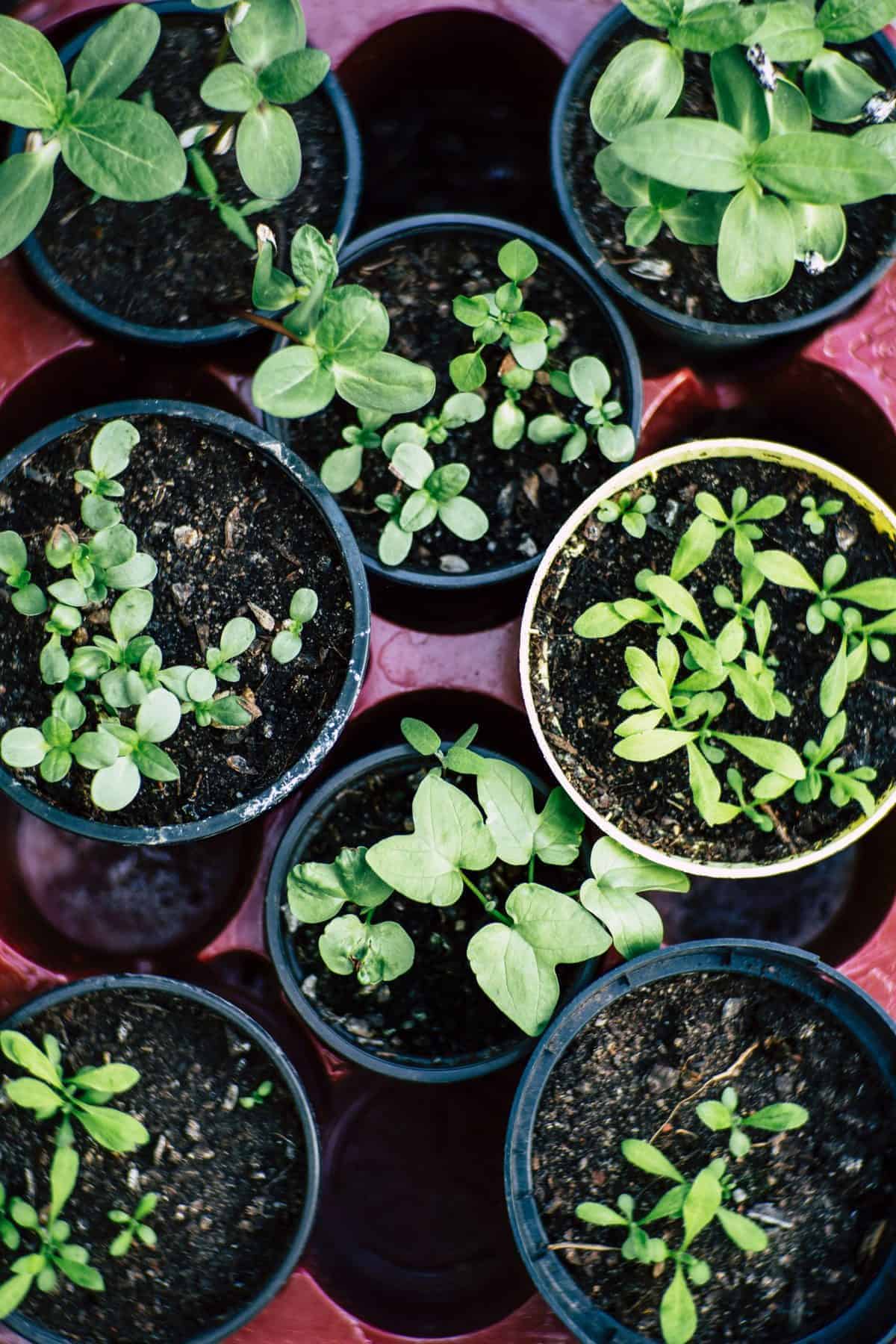
Photo by Markus Spiske from Pexels

If you're not the type of person that wants to spend their time managing an elaborate fruit or vegetable garden, you might consider planting and growing your own herbs. While the product might not seem as significant, you'll still enjoy the constant availability of fresh, delicious herbs to flavor your meals with.

Choosing Your Herbs

First, if you're considering growing your own herbs, you'll want to choose the herbs that you'll plant. You might have a hard time doing this because of the huge scope of herbs available. But the best way to choose is to do what I did; just look at what you have in your kitchen. By planting your own collection of these herbs, you can save money on buying them from the grocery store while having the added benefit of freshness. Some of the herbs you might start with include rosemary, sage, basil, dill, mint, chives, and parsley among others.

Choosing Where To Plant

When choosing an area to put your herb garden, you should remember that the soil should have extremely good drainage. If the dirt gets watered and stays completely saturated, you have no chance of ever growing a healthy plant. One of the best ways to fix the drainage problem is to dig a foot deep in the soil and put a layer of crushed rocks down before replacing all the soil. This will allow all that water to escape, thus saving your plants.

Transplants or Seeds

When you are ready to begin planting herbs, you might be tempted to buy the more expensive plants from the store. However, with herbs, it is much easier to grow them from seed than it is with other plants. Therefore you can save a bundle of money by sticking with seed packets. Some herbs grow at a dangerously fast rate. For example, if you plant a mint plant in an open space then it will take over your entire garden in a matter of days. The best way to prevent this problem is to plant the more aggressive plants in pots (with holes in the bottom to allow drainage, of course).

Harvesting Your Herbs

When it comes time to harvest the herbs you have labored so hard over, it can be fatal to your plant to take off too much. If your plant isn't well established, it isn't healthy to take any leaves at all, even if it looks like it's not using them. You should wait until your plant has been well established for at least several months before taking off any leaves. This wait will definitely be worth it because growing unabated your plant will produce healthily for years to come.

Using & Storing Your Herbs

Once you've harvested your delicious home grown herbs, you'll want to use them in cooking. Why else would you have grown them? Well first the process begins with drying them out. This is easily achieved by placing them on a cookie sheet and baking them 170 degrees Fahrenheit for 2 to 4 hours. After they're sufficiently dried to be used in cooking, you can consult the nearest cookbook for instructions on using them to effectively flavor a dish.

If you want to store your herbs for later usage, you should keep them in a plastic or glass container. Paper or cardboard will not work, because it will absorb the taste of the herbs. During the first few days of storage, you should regularly check the container and see if any moisture has accumulated. If it has, you must remove all the herbs and re-dry them. If moisture is left from the first drying process, it will encourage mildew while you store your herbs. Nobody likes mildew.

So if you enjoy herbs or gardening, or both, then you should probably consider growing your own herbs. It might require a little bit of work at first to set it up for optimal drainage, and pick what herbs you want to grow. But after the initial hassle, it's just a matter of harvesting and drying all your favorite herbs.
More Articles You May Enjoy

  • Grilled Eggplant With Fresh Herbs (Keto, GFDF, AIP, Whole30, Paleo)
  • Container Gardening: Getting Started
  • Benefits of Gardening For Kids
  • Vegetable Gardening Tips
  • 9 Disaster Prepping Tips and Tricks

GARDENING

  • benefits of gardening for kids - little girl in sundress watering a veggie garden
    Benefits of Gardening For Kids
  • vegetable gardening tips - basket of harvested veggies
    Vegetable Gardening Tips
  • container gardening - tomatoes and basil on counter
    Container Gardening: Getting Started
59 shares
  • 52

Comments

    Tell Me What You Think

    Your email address will not be published. Required fields are marked *

    Recipe Rating


    This site uses Akismet to reduce spam. Learn how your comment data is processed.

  1. Karla T says

    May 22, 2011 at 12:24 pm

    Just planted some today. I found that my Sage, Oregano, and Chives all grew back beautifully. It's soooo nice having fresh herbs and saves a lot of money since the store bought are so expensive.

Heather Cooan - Functional Oncology Nutritionist

Hi, I'm Heather!

I'm an Integrative Metabolic Oncology Nutrition Consultant and lived experience mentor providing education, data-driven nutritional recommendations, and trauma-informed strategic environmental and lifestyle design for those living with cancer, autoimmunity, and complex chronic illness.

MY STORY

🎙️BEYOND THE PROGNOSIS PODCAST

Beyond the Prognosis Podcast

POPULAR RECIPES

  • One dozen keto pumpkin spice muffins stacked on a green plate.
    Keto Pumpkin Spice Muffins
  • Gluten-Free Sourdough Chocolate Chunk Cookies
  • Turkey Stew
    Turkey Stew (GFDF, Keto, Paleo, AIP, Whole30, Low Iron)
  • pickle wheels - pickle, cream cheese, ham
    Pickle Wheels (Keto, GF, Low Iron)
  • Vanilla cupcakes on white wood background
    Vanilla Frosted Buttercream Cupcakes (GFDF, Keto, Low-Iron)
  • Shiitake Noodle Pho
    Shirataki Noodle Pho (Keto, Paleo, GFDF, Whole30, Low-Iron)

LATEST ARTICLES

  • Infrared Sauna - Sauna Therapy Guide
    Sauna Therapy: A Comprehensive Guide for People Navigating Cancer and Complex Chronic Illness
  • Microscope and veggies on lab table.
    Why Most Food Sensitivity Testing Fails— and What to Do Instead
  • Woman Using a Blood Glucose Ketone Meter
    The Glucose Ketone Index (GKI) Explained
  • Food Safety and Cancer: A Practical Guide for Compromised Immunity

🛍️SHOP

Footer

↑ back to top

About

  • Privacy Policy
  • Disclaimer
  • Terms of Use
  • Affiliate Disclosure
  • Accessibility Policy
  • Media and Press

Let's Connect!

  • Facebook
  • Instagram
  • YouTube
  • Pinterest
  • Twitter
  • Subscribe for Recipes and Updates
  • Shop
  • Contact Us

Soil to Soul Nutrition Clinic

  • Oncology Nutrition
  • Functional Nutrition Therapy
  • Ketogenic Metabolic Therapies
  • Nutrigenomics
  • End-Of-Life
  • Pet Nutrition
  • Soil to Soul Nutrition Team
  • Frequently Asked Questions

Disclaimer: Functional oncology nutrition consulting is not medical nutrition therapy and does not diagnose, treat, manage, or cure any disease. It is intended to support the proper functioning of biological systems as adjunct support to your licensed healthcare provider's treatment plan. Personalized diet, lifestyle, and environmental recommendations aim to optimize well-being but are not a substitute for medical care. Any lab or genetic information used is solely for personalizing diet and lifestyle, not for diagnosing or treating disease. You are required to work with a licensed healthcare provider, including a primary care practitioner and, if you have or have had cancer, a medical oncologist. All recommendations, including supplements and labs, must be approved by your healthcare provider before implementation. Heather Cooan and the other consultants at Soil to Soul Nutrition’s role is to provide support and guidance, not to replace your physician's care.

Affiliate Disclosure: Many outgoing links on HeatherCooan.com are affiliate links. If you purchase a product after clicking an affiliate link, I receive a small percentage of the sale for referring you at no extra cost. HDC Media participates in the Amazon Services LLC Associates Program, an affiliate advertising program designed to provide a means for sites to earn advertising fees by advertising and linking to Amazon.com.

Copyright © 2026 HDC Brands

We are using cookies to give you the best experience on our website.

You can find out more about which cookies we are using or switch them off in .

Heather Cooan
Powered by  GDPR Cookie Compliance
Privacy Overview

This website uses cookies so that we can provide you with the best user experience possible. Cookie information is stored in your browser and performs functions such as recognising you when you return to our website and helping our team to understand which sections of the website you find most interesting and useful.

Strictly Necessary Cookies

Strictly Necessary Cookie should be enabled at all times so that we can save your preferences for cookie settings.